Blog / Ford Information

Your Inside Look at the 2026 Ford F-150

2026 Ford F-150
2026 Ford F-150

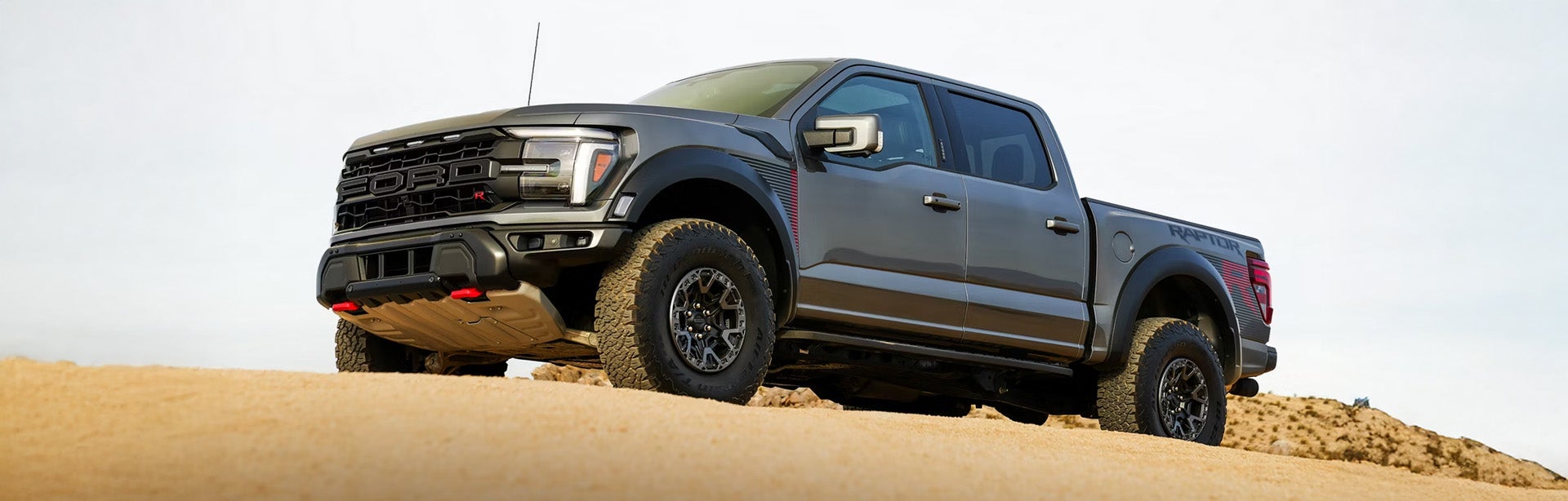
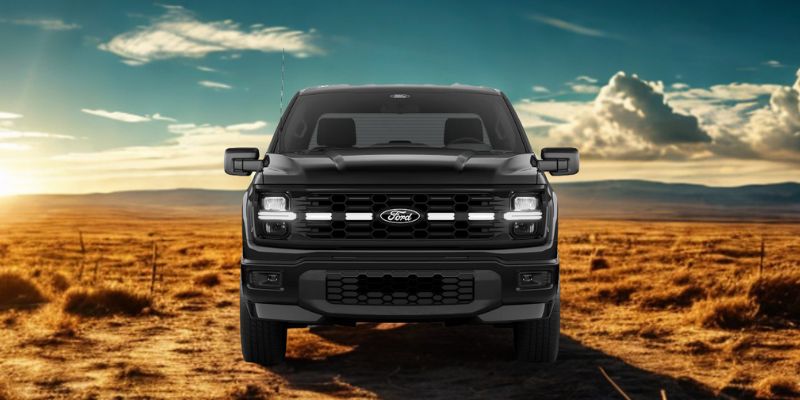
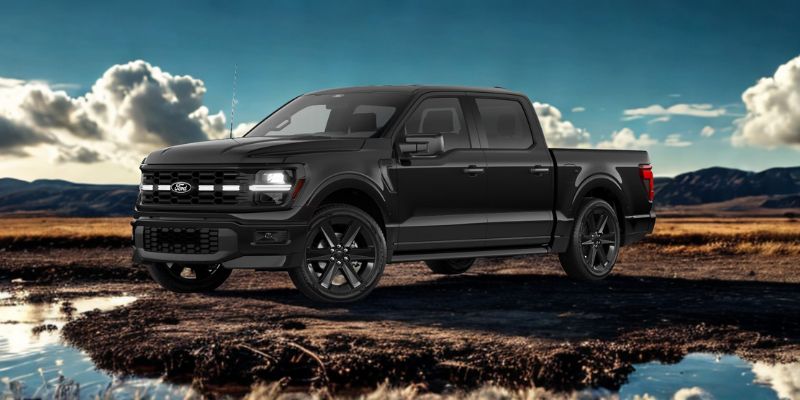
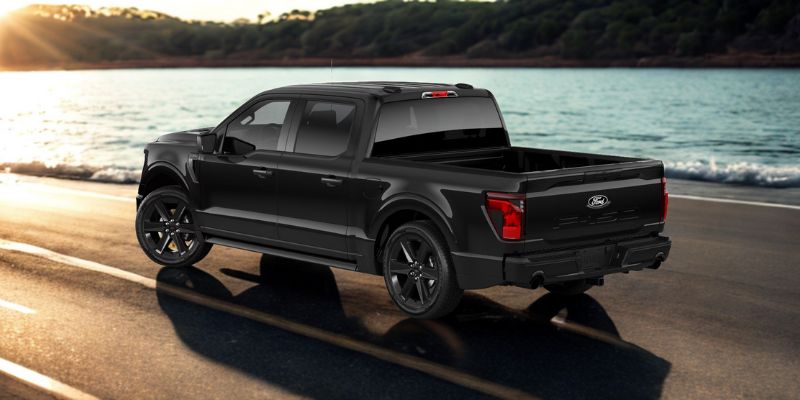
The 2026 Ford F-150 is defined by a capacious design and a unique blend of smart comfort and safety, the +is the truck you've been waiting for. Offering unparalleled options for performance, comfort, and safety, this model is everything you need in a truck. Read our model overview of the new Ford F-150 if you're interested in learning more.

Inside the 2026 Ford F-150

Performance

 2026 Ford F-150 performance

This year's F-150 exceeds the performance capability offered by previous versions. Redefine what a powerful truck means to you by stepping on the gas and hearing the standard 2.7L EcoBoost V6 engine come roaring to life. The new F-150 pairs its assertive powertrain with an improved suspension and fuel economy to deliver a wholly satisfying performance setup. This list includes other performance features you should be aware of:

  • Electronic Ten-Speed Automatic Transmission
  • 2.7L V6 EcoBoost® Engine with Auto Start-Stop Technology
  • Selectable Drive Modes

Technology

2026 Ford F-150 technology

New trucks should come available with technology that's able to keep you and your passengers connected without being a distraction. Options for additional safety features help you monitor the road, navigate tight parking lots, and protect passengers. Couple unparalleled safety with this model's winning combination of available infotainment features, and it's clear it's a leader in its class. Learn more about what this model has to offer technology-wise here:

  • Tire pressure Monitoring System
  • AdvanceTrac With Roll Stability Control
  • Front driver and passenger airbags

Design

2026 Ford F-150 design

The right truck should find perfect harmony between its form and function. Load up the F-150's bed to take advantage of a generous maximum cargo space of up to 53 cu ft. And just wait until you find out about all of the additional passenger comfort options available. You'll find more available design specs of this pickup below:

  • Side Mirrors- Manual Folding
  • 17" Silver Painted Aluminum Wheels
  • Outside Temperature Display

Check out the 2026 Ford F-150 in Salisbury, MD

There's no better place to familiarize yourself with the new F-150 than Pohanka Ford of Salisbury. Choose from any of the new Ford cars for sale in our inventory for the kind of deal you won't find anywhere else in Salisbury, MD. Don't miss our list of new Ford specials while you're weighing your options.

*MSRP: Starting price represents the manufacturer’s suggested retail price (MSRP) for the trim. The MSRP does not include destination and handling charges, taxes, title, license, options, and dealer charges. Actual prices are set by the dealer and may vary. Photo is for marketing and example purposes only. Photo may not reflect starting MSRP or trim level.\n**EPA-estimated MPG for City/Highway for 2026 Ford F-150 . Actual mileage will vary. Displayed MPG is based on applicable EPA mileage ratings. Use for comparison purposes only. Your actual mileage will vary, depending on how you drive and maintain your vehicle, driving conditions, battery pack age/condition (hybrid models only) and other factors.

Posted in:

Recommended Posts

Motor Oil Evolution: How Often Should You Change Your Oil? | Pohanka Ford Salisbury

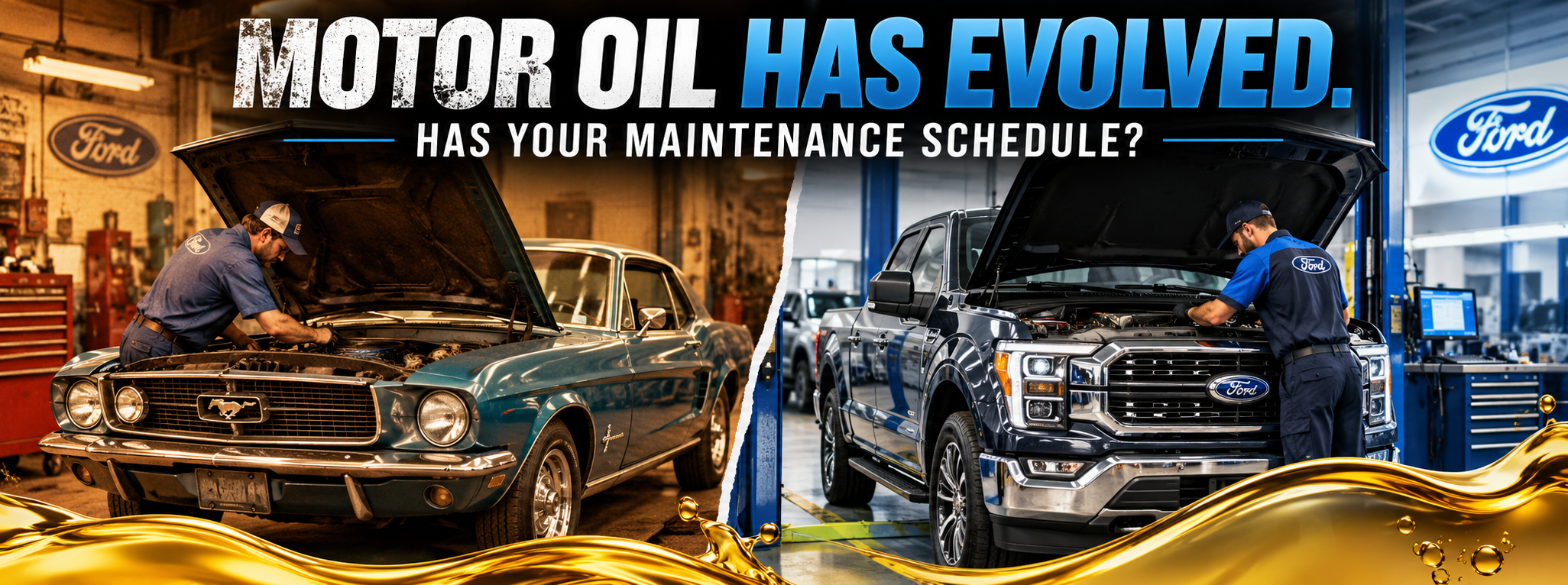
From 3,000 Miles to 10,000: The Evolution of Motor Oil and the Modern Oil Change How decades of innovation have changed the way we maintain our vehicles — and what it means for today's drivers. Remember when getting your oil changed every 3,000 miles was practically a rule of the road? For decades, drivers were taught that regular oil changes every 3,000 miles were essential to keeping their engines running smoothly. It was simple advice, easy to remember, and widely accepted throughout the automotive industry. But vehicles have changed. Engines have become more sophisticated, manufacturing tolerances have improved, and perhaps most importantly, the motor oil protecting those engines has undergone a remarkable transformation. Today, some modern vehicles can travel 7,500 to 10,000 miles between oil changes under appropriate driving conditions. So what changed? And does that mean you should wait 10,000 miles before your next oil change? At Pohanka Ford of Salisbury, we believe understanding your vehicle is one of the best ways to protect your investment. Let's take a look at how motor oil has evolved and what today's technology means for your maintenance schedule. The Early Days: When 3,000 Miles Made Sense During much of the 20th century, motor oil was relatively basic compared to today's advanced formulations. Conventional petroleum-based oils were more susceptible to oxidation, thermal breakdown, and contamination. Engines also operated with less precise manufacturing tolerances, and older fuel and combustion systems could introduce more contaminants into the oil. As a result, frequent oil changes were an important part of protecting an engine from premature wear. The 3,000-mile oil change became a familiar maintenance recommendation, particularly during the 1970s, 1980s, and 1990s. For many vehicles of that era, frequent oil changes were a reasonable precaution. But automotive engineering wasn't standing still. The Synthetic Oil Revolution One of the biggest advancements in engine protection came with the development and widespread adoption of synthetic motor oils. Unlike traditional conventional oils, synthetic oils use highly refined or chemically engineered base oils designed to provide more consistent performance across a wider range of operating conditions. These advancements brought several important benefits: Improved temperature stability: Better protection during extreme heat and cold. Greater resistance to oxidation: Slower degradation under demanding operating conditions. Improved engine cleanliness: Advanced additive packages help control sludge and deposits. Enhanced wear protection: Modern formulations help protect critical engine components. Potentially longer service intervals: When approved by the vehicle manufacturer, improved oils can support extended maintenance schedules. Synthetic blends also emerged, combining conventional and synthetic base oils to balance performance and cost. But better oil is only half the story. Modern Engines Changed the Game Today's engines are technological marvels compared to those produced 30 or 40 years ago. Advanced fuel injection systems, sophisticated engine management computers, improved internal materials, and tighter manufacturing tolerances have helped make modern engines more efficient. At the same time, technologies such as turbocharging and direct injection have created new demands on motor oil. Consider Ford's EcoBoost engines. These engines use advanced technologies to deliver impressive performance and efficiency, but they also require motor oils that meet specific engineering standards. Modern motor oil must do far more than simply lubricate moving parts. It must help manage heat, resist deposits, protect timing chains, and perform reliably under demanding operating conditions. In fact, newer industry standards such as API SQ and ILSAC GF-7, introduced in 2025, establish updated performance requirements for engine protection, fuel economy, and deposit control. The lesson? Modern engines require modern oil, and using the correct oil specification matters just as much as changing it on time. Then vs. Now: How Oil Change Intervals Have Evolved Era Common Oil Change Practices 1970s–1980s Frequent changes, often around 3,000 miles 1990s The 3,000-mile recommendation remained widespread 2000s Many manufacturers began recommending longer intervals 2010s Synthetic oils and oil-life monitoring became increasingly common Today Many vehicles allow 7,500–10,000 miles under suitable conditions These are broad historical trends, not universal recommendations. Actual maintenance requirements have always varied by manufacturer, engine, vehicle, and driving conditions. And that brings us to one of the most important advancements in modern vehicle maintenance. Your Ford May Know When It's Time for an Oil Change Many modern Ford vehicles are equipped with an Intelligent Oil-Life Monitor. Rather than relying solely on a fixed mileage interval, this technology estimates remaining oil life using information about how the vehicle is operated. Depending on the vehicle, the system can account for factors such as engine operating conditions, temperatures, and driving patterns. For example, a vehicle primarily driven on long highway trips may experience different oil-life demands than one frequently used for short trips, extended idling, towing, or stop-and-go driving. The result is a more personalized approach to oil maintenance. However, the oil-life monitor is an estimate, not a laboratory test of the oil. Drivers should still follow the time and mileage limits outlined in their owner's manual. Is 10,000 Miles Too Long Between Oil Changes? The answer depends on your vehicle and how you drive it. For certain modern Ford vehicles, 10,000-mile oil change intervals may be appropriate under normal operating conditions, provided the manufacturer's requirements are followed. But not every vehicle should go that long. Several driving conditions may require more frequent maintenance: Frequent short trips where the engine doesn't fully warm up Heavy towing or hauling Extended idling Dusty or demanding driving environments Repeated stop-and-go driving Extreme operating temperatures Here on Maryland's Eastern Shore, driving habits can vary considerably. Some drivers spend most of their time commuting along Route 50 or Route 13. Others use their trucks for commercial work, construction, farming, or towing boats and trailers. Those vehicles may have very different maintenance needs, even if they're the same model and model year. That's why following a maintenance schedule tailored to your vehicle and driving habits is more important than relying on a universal mileage rule. Why Regular Oil Changes Still Matter Even with today's advanced technology, motor oil doesn't last forever. Over time, oil can become contaminated, additives can become depleted, and its ability to protect critical engine components can decline. Neglecting oil maintenance can contribute to: Increased engine wear Sludge and deposit buildup Reduced efficiency Damage to expensive engine components Potentially shortened engine life An oil change is also an opportunity to look beyond the engine. Routine service visits can help identify tire wear, fluid leaks, brake concerns, and other maintenance needs before they become larger problems. The goal isn't simply to change your oil. It's to help protect the long-term reliability and value of your vehicle. Trust Your Vehicle to the Team at Pohanka Ford of Salisbury Technology has changed the automotive industry, but one thing remains constant: preventive maintenance is one of the smartest investments you can make in your vehicle. At Pohanka Ford of Salisbury, our service team understands the engineering behind today's Ford vehicles and the importance of using the correct oil, filters, and manufacturer-recommended maintenance procedures. Whether you drive an F-150, Super Duty, Explorer, Bronco, Mustang, or another vehicle, we're here to help you understand its maintenance needs and keep it performing at its best. The days of a one-size-fits-all 3,000-mile oil change rule may be behind us, but the importance of proper vehicle maintenance hasn't changed. Better oil. Smarter engines. More advanced technology. The same commitment to protecting your investment. Ready for Your Next Oil Change? Visit the service team at Pohanka Ford of Salisbury and let us help you determine the right maintenance schedule for your vehicle. Pohanka Ford of Salisbury — Driving Confidence, One Mile at a Time. Maintenance intervals vary by vehicle, model year, engine, and operating conditions. Always consult your Ford owner's manual and follow the manufacturer's recommended maintenance schedule.

Ford F-150 vs. Super Duty: Best Ford Trucks for the Eastern Shore | Pohanka Ford

Ford F-150 vs. Super Duty: Best Ford Trucks for the Eastern Shore | Pohanka Ford

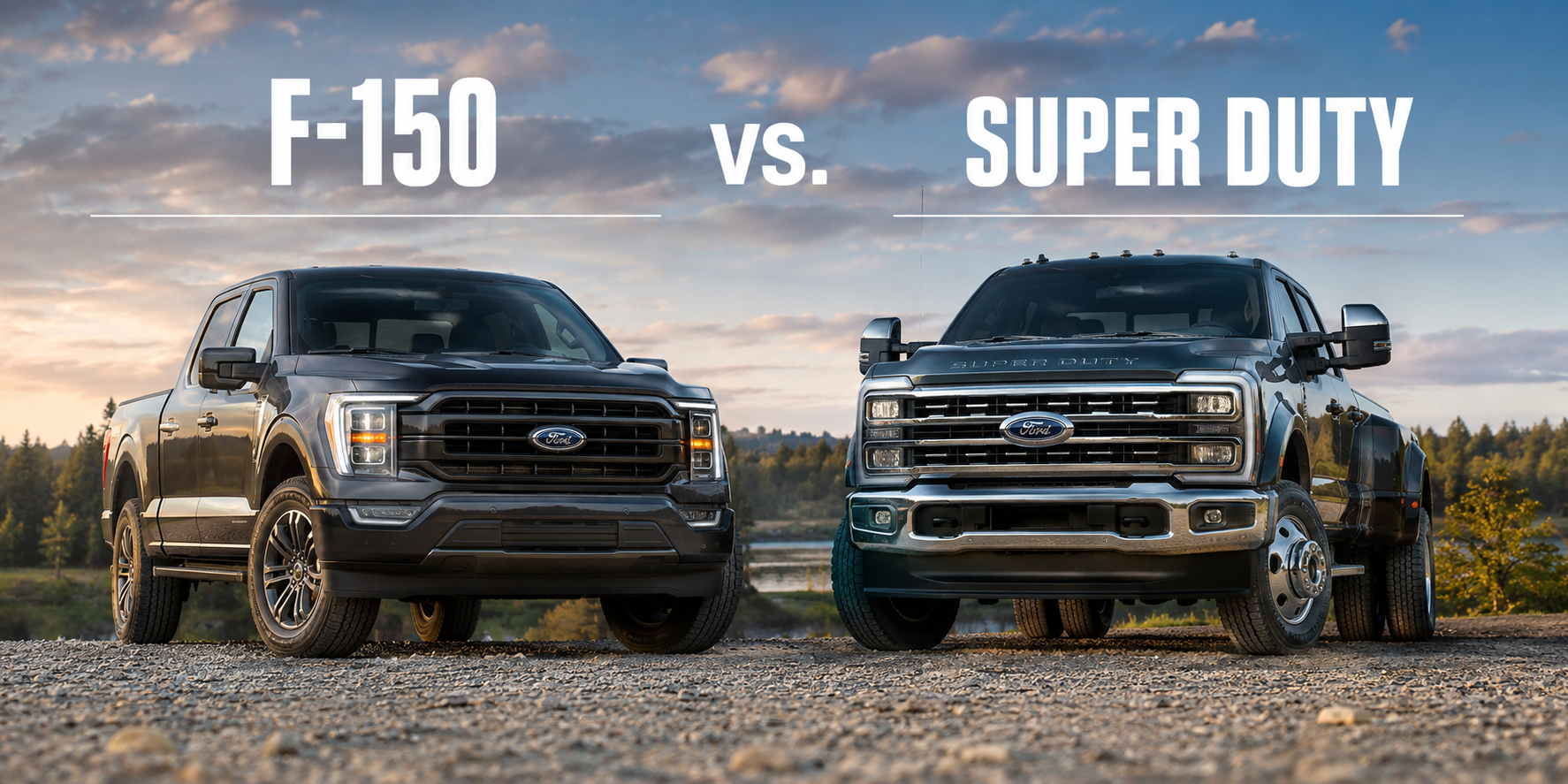
Ford Trucks Built for the Eastern Shore: F-150 vs. Super Duty When you live and work on the Eastern Shore, your truck needs to do more than look good in the driveway. From towing boats and campers to hauling equipment, working job sites, supporting local farms, or simply handling the daily commute, Delmarva drivers expect their trucks to work as hard as they do. At Pohanka Ford of Salisbury, we know truck buyers aren't all looking for the same thing. One driver may need a comfortable truck that can handle the family and tow the boat on the weekend, while another needs serious capability for a trailer, business, farm, or construction crew. That's where two of Ford's biggest names come in: the Ford F-150 and Ford Super Duty. Both are incredibly capable trucks—but which one makes the most sense for you? Ford F-150: Capability Meets Everyday Comfort There's a reason the Ford F-150 has become such a familiar sight across Maryland, Delaware, Virginia, and the entire Eastern Shore. It offers an excellent combination of capability, technology, comfort, and everyday drivability. For many Delmarva truck owners, the F-150 is the sweet spot. Depending on configuration, F-150 buyers can choose from multiple powertrain options and configurations designed for everything from commuting and family use to towing, hauling, off-road adventures, and demanding work. The F-150 is an excellent choice for drivers who want a truck for: Daily driving and commuting Towing boats and recreational trailers Home improvement projects Light-to-moderate equipment hauling Hunting, fishing, and outdoor recreation Family road trips and vacations Small-business use Weekend projects and property maintenance Today's F-150 also offers available technology designed to make towing, trailering, parking, and everyday driving easier. And with multiple trims and configurations available, you can build an F-150 that's a straightforward work truck, a comfortable family vehicle, an off-road machine, or a premium truck loaded with technology. Ford Super Duty: When the Job Gets Bigger Sometimes you simply need more truck. That's where the Ford Super Duty lineup comes in. The Super Duty family—including the F-250, F-350 and beyond —is designed for drivers and businesses that regularly deal with heavier loads and more demanding jobs. On the Eastern Shore, that can mean contractors hauling equipment from one job site to another, farmers moving heavy trailers, businesses towing machinery, RV owners pulling large campers, or customers who need serious gooseneck or fifth-wheel capability. A Super Duty may be the better choice if you're regularly: Pulling heavy equipment or machinery Towing large campers or fifth-wheel trailers Hauling substantial payloads Using your truck commercially Working in construction, agriculture, landscaping, or other trades Towing heavy trailers frequently rather than occasionally Available gasoline and diesel powertrains give Super Duty buyers different ways to tackle demanding workloads. For customers who depend on their truck to make a living, that additional capability can be far more important than simply buying the biggest truck on the lot. F-150 vs. Super Duty: Which Ford Truck Do You Actually Need? Here's the easiest way to think about it. If you want a truck that can handle daily driving, family duty, weekend recreation, projects, and substantial towing when properly equipped, start your search with the Ford F-150. If your truck will regularly handle heavy trailers, commercial equipment, large fifth wheels, substantial payloads, or demanding work, it's time to look at Ford Super Duty. But there's an important catch: Don't Choose a Truck Based on the Model Name Alone. Two trucks that look similar can have very different capabilities. Engine, cab configuration, bed length, drivetrain, axle ratio, GVWR, equipment packages, and other specifications can affect how much a particular truck can safely tow or carry. That's why our team at Pohanka Ford believes the conversation shouldn't start with: "Which truck do you want?" It should start with: "What do you need your truck to do?" Tell us what you're towing, approximately how much it weighs, how frequently you're towing it, how many passengers you normally carry, and how you plan to use your truck. Then we can help you narrow down the right configuration. Buying a Truck for Towing? Payload Matters Too. Maximum towing capacity gets a lot of attention, but experienced truck owners know towing is only part of the equation. Payload matters. Passengers, cargo, tools, accessories, trailer tongue weight, and fifth-wheel or gooseneck pin weight can all affect the load placed on your truck. That's particularly important for customers towing larger campers, work trailers, equipment, or boats. Instead of simply asking, "Can this truck tow my trailer?" a better question is: "Is this specific truck properly configured for everything I'm putting in it and behind it?" Our team can help you review the specifications of the actual truck you're considering rather than relying on a generic maximum number. Built for Life on Delmarva Truck ownership on the Eastern Shore is different. We're surrounded by farms, waterways, beaches, small businesses, contractors, tradespeople, outdoor enthusiasts, and families who genuinely use their trucks. One day your F-150 might be taking you to work in Salisbury. The next weekend, it could be pulling a boat toward Ocean City. A Super Duty might spend Monday through Friday hauling equipment for your business and Saturday pulling the family camper. That's why choosing the right truck isn't just about horsepower or appearance. It's about finding a truck that fits your life. Don't Forget About Ford Commercial Trucks If your truck is part of your business, Pohanka Ford can also help you explore Ford commercial and work-truck solutions. Whether you're a local contractor, landscaper, farmer, tradesperson, fleet operator, or business owner, choosing the correct truck configuration can have a direct impact on productivity. Our goal is to help businesses find vehicles that make sense for the work they're actually doing—not simply put another truck on the road. Find Your Next Ford Truck at Pohanka Ford of Salisbury Whether you're searching for a Ford F-150 in Salisbury, MD, comparing an F-250 vs. F-150, looking for a Ford Super Duty on the Eastern Shore, or trying to determine the right truck for towing your boat, camper, or equipment, the team at Pohanka Ford of Salisbury is ready to help. We'll help you compare available trucks, powertrains, configurations, towing equipment, technology, and features so you can make an informed decision. Because the best truck isn't necessarily the biggest or most expensive one. It's the one that's built for what you need it to do. Visit Pohanka Ford of Salisbury and let our team help you find the right Ford truck for work, play, and everything in between on Delmarva.

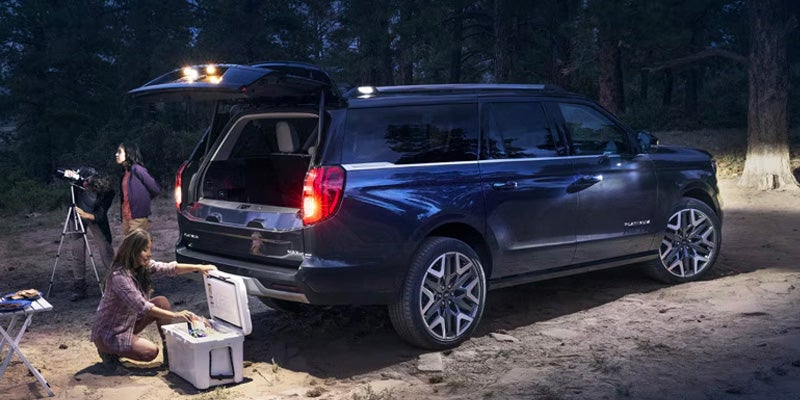
A photo of a 2025 Ford Expedition being loaded with gear.

3 Great Family-Friendly Ford Models for 2025

Families, no matter their size, need an everyday vehicle that is reliable, safe, and comfortable. Ford offers a wide range of family-friendly models that meet these criteria. Here at your local Ford dealership, we're proud to help you find the perfect vehicle to fit your family's needs. We have a large selection available, so let's explore a few family models in closer detail. 1. 2025 Ford Expedition The Ford Expedition is Ford's most spacious SUV, purpose-built for large families who need both seating capacity and storage. This SUV can comfortably seat up to 8 passengers and still leave plenty of room for luggage, sports gears, or groceries. The sliding second-row seat allows for easy access to the third row, even with a child seat installed. Parents will also appreciate the available rear-seat entertainment system that keeps kids occupied on long drives. The Expedition offers a powerful twin-turbocharged 3.5L EcoBoost V6 engine, producing 400 hp or up to 440 hp with the High-Output variant. Torque in either setup is 480 lb-ft, which helps contribute to the Expedition's 9,600-pound maximum towing capacity with the Heavy-Duty Trailer Tow Package. 2. 2025 Ford Explorer The Ford Explorer is a three-row midsize SUV that offers families ample space, solid performance, and innovative technology. Seating up to 7 passengers, the Explorer has received an interior refresh for 2025, now sporting a 13.2-inch infotainment touchscreen powered by Google. The Explorer features optional hands-free driving with BlueCruise technology. This driver-assistance system adds convenience during already-tiring road trips, allowing you to arrive more refreshed. Under the hood, the Explorer offers a choice between a 300-hp 2.3L EcoBoost I-4 engine or a 400-hp V6 engine in the ST model. Hybrid and plug-in hybrid powertrain options are also available, offering families significant savings at the pump. 3. 2025 Ford Escape For smaller families who need a more compact vehicle that doesn't skimp on versatility, the Escape is a top contender. It offers seating for five and boasts a flexible cargo area with a sliding second-row seat, which adds nearly six inches of legroom or expands trunk space as needed. Despite its compact size, the Escape includes modern tech, with the same infotainment set-up as the Explorer. Like the Explorer, multiple powertrain options are available, including a 1.5L or 2.0L EcoBoost engine, a hybrid powertrain, or a plug-in hybrid powertrain. The hybrid model can achieve well over 40 MPG in the city, making it an ideal daily commuter. Whether you're transporting toddlers, teens, or groceries, Ford's SUV lineup offers smart, safe, and spacious solutions for families of all sizes. Contact Pohanka Ford of Salisbury in Salisbury, MD to find your perfect Ford.