Blog / Salisbury Ford Service

Why OEM Parts Are Crucial for Your Ford's Performance

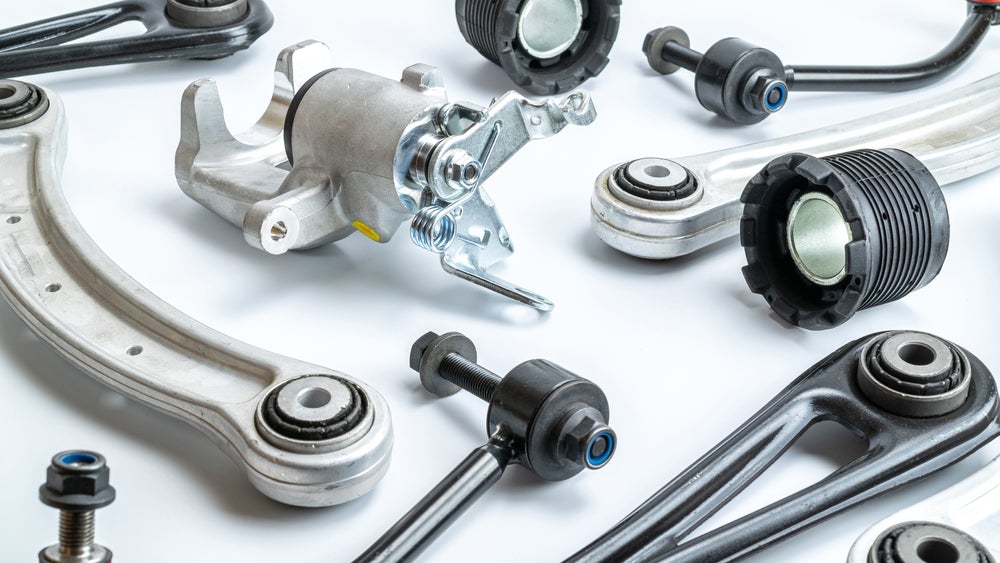
A collection of car parts on a white background


When the time comes to maintain your Ford vehicle, the choice of replacement parts is critically important. OEM parts will fit your Ford perfectly, and they'll preserve its performance by working exactly as expected. One way to ensure original parts are used is by letting a Ford dealer service your vehicle. Buying and fitting aftermarket parts can harm your driving in various ways.

Precision Engineering and Fit

Whether they're made by Ford's auto parts division, Motorcraft, or supplied by one of many other trusted brands, your Ford vehicle is designed to accept OEM components. These will be precision-engineered to precise tolerances, whereas cheap aftermarket parts are often reverse-engineered less precisely, roughly fitting as many vehicles as possible.

Precision in vehicle parts is essential, as even minor discrepancies can lead to performance issues and potentially expensive damage. Whether it's related to the engine, transmission, or braking system, each part must work harmoniously with the next and fit precisely into place. Poorly fitting parts cause accelerated wear, degraded performance, and sometimes irreversible damage to major components.

Durability and Safety

Ford parts and those of its suppliers are rigorously tested and subjected to stringent quality control. Cheap aftermarket parts don't typically have a well-funded R&D department behind them, so they're made with poorer materials or in a less nuanced way to maximize profits. A prime example of this is aftermarket brake pads, which are often made from substandard materials that can cause abrupt failure.

Many aftermarket parts could compromise safety, including brake, suspension, or steering parts, or passive safety equipment like seatbelts and airbags. An aftermarket ECU (Electronic Control Unit) that isn't fully compatible can also create issues, as it oversees vital functions like airbag deployment, anti-lock braking, electronic stability control, transmission control, and critical engine tasks.

Optimum Fuel Efficiency

Various aftermarket parts can adversely affect fuel efficiency, including air filters (either through poor filtration or poor fit), exhaust systems, wider tires that increase rolling resistance, suspension lift kits, fuel injectors, fuel pumps, engine tuner chips, body kits, and spoilers. Some of these parts are designed to enhance performance, which may or may not work, but it'll often be at the expense of fuel efficiency.

Preserve Your Warranty with a Ford Dealer

All new Fords come with a bumper-to-bumper 36,000-mile, three-year warranty, and longer for powertrains, diesel engines, and hybrid/electric unique components. You can't invalidate these warranties merely by installing an aftermarket part, but your claim may be invalidated if that part subsequently creates problems. Avoid this hassle and potentially save money by using your local Ford center for servicing.


Contact Pohanka Ford of Salisbury in Salisbury, MD to schedule your next Ford service using OEM components.

Image via

Posted in:

Related Posts

Motor Oil Evolution: How Often Should You Change Your Oil? | Pohanka Ford Salisbury

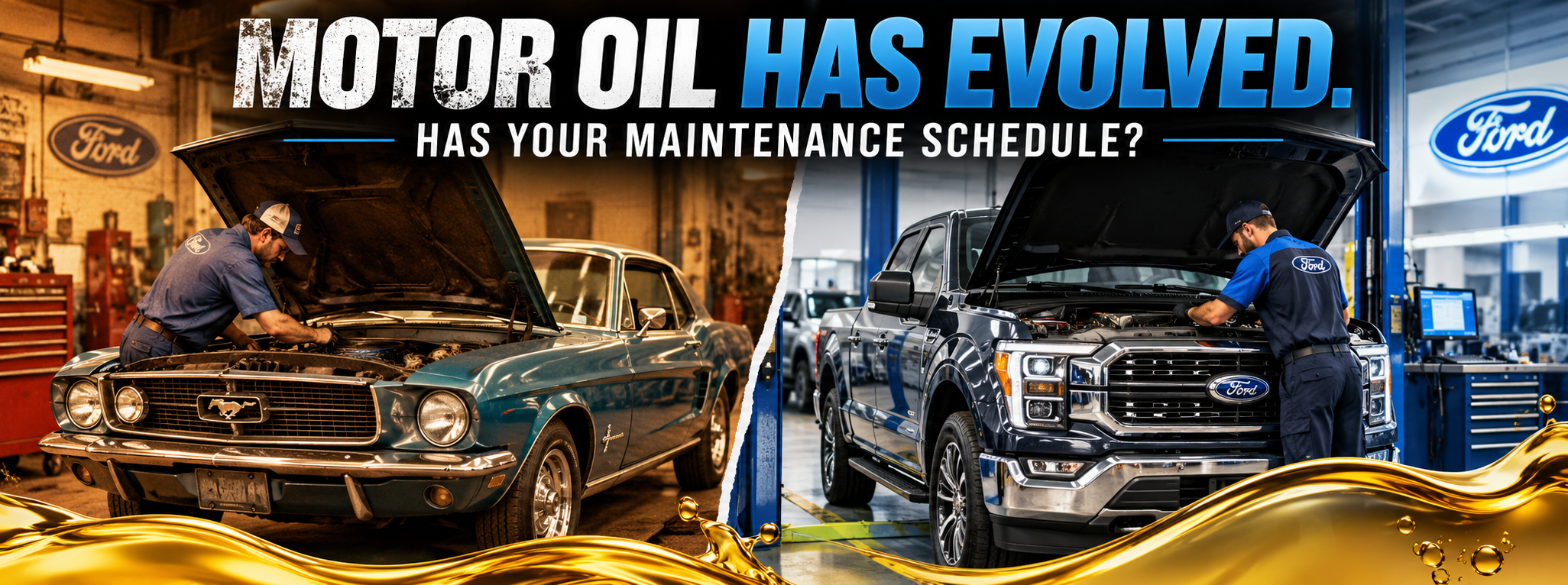
From 3,000 Miles to 10,000: The Evolution of Motor Oil and the Modern Oil Change How decades of innovation have changed the way we maintain our vehicles — and what it means for today's drivers. Remember when getting your oil changed every 3,000 miles was practically a rule of the road? For decades, drivers were taught that regular oil changes every 3,000 miles were essential to keeping their engines running smoothly. It was simple advice, easy to remember, and widely accepted throughout the automotive industry. But vehicles have changed. Engines have become more sophisticated, manufacturing tolerances have improved, and perhaps most importantly, the motor oil protecting those engines has undergone a remarkable transformation. Today, some modern vehicles can travel 7,500 to 10,000 miles between oil changes under appropriate driving conditions. So what changed? And does that mean you should wait 10,000 miles before your next oil change? At Pohanka Ford of Salisbury, we believe understanding your vehicle is one of the best ways to protect your investment. Let's take a look at how motor oil has evolved and what today's technology means for your maintenance schedule. The Early Days: When 3,000 Miles Made Sense During much of the 20th century, motor oil was relatively basic compared to today's advanced formulations. Conventional petroleum-based oils were more susceptible to oxidation, thermal breakdown, and contamination. Engines also operated with less precise manufacturing tolerances, and older fuel and combustion systems could introduce more contaminants into the oil. As a result, frequent oil changes were an important part of protecting an engine from premature wear. The 3,000-mile oil change became a familiar maintenance recommendation, particularly during the 1970s, 1980s, and 1990s. For many vehicles of that era, frequent oil changes were a reasonable precaution. But automotive engineering wasn't standing still. The Synthetic Oil Revolution One of the biggest advancements in engine protection came with the development and widespread adoption of synthetic motor oils. Unlike traditional conventional oils, synthetic oils use highly refined or chemically engineered base oils designed to provide more consistent performance across a wider range of operating conditions. These advancements brought several important benefits: Improved temperature stability: Better protection during extreme heat and cold. Greater resistance to oxidation: Slower degradation under demanding operating conditions. Improved engine cleanliness: Advanced additive packages help control sludge and deposits. Enhanced wear protection: Modern formulations help protect critical engine components. Potentially longer service intervals: When approved by the vehicle manufacturer, improved oils can support extended maintenance schedules. Synthetic blends also emerged, combining conventional and synthetic base oils to balance performance and cost. But better oil is only half the story. Modern Engines Changed the Game Today's engines are technological marvels compared to those produced 30 or 40 years ago. Advanced fuel injection systems, sophisticated engine management computers, improved internal materials, and tighter manufacturing tolerances have helped make modern engines more efficient. At the same time, technologies such as turbocharging and direct injection have created new demands on motor oil. Consider Ford's EcoBoost engines. These engines use advanced technologies to deliver impressive performance and efficiency, but they also require motor oils that meet specific engineering standards. Modern motor oil must do far more than simply lubricate moving parts. It must help manage heat, resist deposits, protect timing chains, and perform reliably under demanding operating conditions. In fact, newer industry standards such as API SQ and ILSAC GF-7, introduced in 2025, establish updated performance requirements for engine protection, fuel economy, and deposit control. The lesson? Modern engines require modern oil, and using the correct oil specification matters just as much as changing it on time. Then vs. Now: How Oil Change Intervals Have Evolved Era Common Oil Change Practices 1970s–1980s Frequent changes, often around 3,000 miles 1990s The 3,000-mile recommendation remained widespread 2000s Many manufacturers began recommending longer intervals 2010s Synthetic oils and oil-life monitoring became increasingly common Today Many vehicles allow 7,500–10,000 miles under suitable conditions These are broad historical trends, not universal recommendations. Actual maintenance requirements have always varied by manufacturer, engine, vehicle, and driving conditions. And that brings us to one of the most important advancements in modern vehicle maintenance. Your Ford May Know When It's Time for an Oil Change Many modern Ford vehicles are equipped with an Intelligent Oil-Life Monitor. Rather than relying solely on a fixed mileage interval, this technology estimates remaining oil life using information about how the vehicle is operated. Depending on the vehicle, the system can account for factors such as engine operating conditions, temperatures, and driving patterns. For example, a vehicle primarily driven on long highway trips may experience different oil-life demands than one frequently used for short trips, extended idling, towing, or stop-and-go driving. The result is a more personalized approach to oil maintenance. However, the oil-life monitor is an estimate, not a laboratory test of the oil. Drivers should still follow the time and mileage limits outlined in their owner's manual. Is 10,000 Miles Too Long Between Oil Changes? The answer depends on your vehicle and how you drive it. For certain modern Ford vehicles, 10,000-mile oil change intervals may be appropriate under normal operating conditions, provided the manufacturer's requirements are followed. But not every vehicle should go that long. Several driving conditions may require more frequent maintenance: Frequent short trips where the engine doesn't fully warm up Heavy towing or hauling Extended idling Dusty or demanding driving environments Repeated stop-and-go driving Extreme operating temperatures Here on Maryland's Eastern Shore, driving habits can vary considerably. Some drivers spend most of their time commuting along Route 50 or Route 13. Others use their trucks for commercial work, construction, farming, or towing boats and trailers. Those vehicles may have very different maintenance needs, even if they're the same model and model year. That's why following a maintenance schedule tailored to your vehicle and driving habits is more important than relying on a universal mileage rule. Why Regular Oil Changes Still Matter Even with today's advanced technology, motor oil doesn't last forever. Over time, oil can become contaminated, additives can become depleted, and its ability to protect critical engine components can decline. Neglecting oil maintenance can contribute to: Increased engine wear Sludge and deposit buildup Reduced efficiency Damage to expensive engine components Potentially shortened engine life An oil change is also an opportunity to look beyond the engine. Routine service visits can help identify tire wear, fluid leaks, brake concerns, and other maintenance needs before they become larger problems. The goal isn't simply to change your oil. It's to help protect the long-term reliability and value of your vehicle. Trust Your Vehicle to the Team at Pohanka Ford of Salisbury Technology has changed the automotive industry, but one thing remains constant: preventive maintenance is one of the smartest investments you can make in your vehicle. At Pohanka Ford of Salisbury, our service team understands the engineering behind today's Ford vehicles and the importance of using the correct oil, filters, and manufacturer-recommended maintenance procedures. Whether you drive an F-150, Super Duty, Explorer, Bronco, Mustang, or another vehicle, we're here to help you understand its maintenance needs and keep it performing at its best. The days of a one-size-fits-all 3,000-mile oil change rule may be behind us, but the importance of proper vehicle maintenance hasn't changed. Better oil. Smarter engines. More advanced technology. The same commitment to protecting your investment. Ready for Your Next Oil Change? Visit the service team at Pohanka Ford of Salisbury and let us help you determine the right maintenance schedule for your vehicle. Pohanka Ford of Salisbury — Driving Confidence, One Mile at a Time. Maintenance intervals vary by vehicle, model year, engine, and operating conditions. Always consult your Ford owner's manual and follow the manufacturer's recommended maintenance schedule.


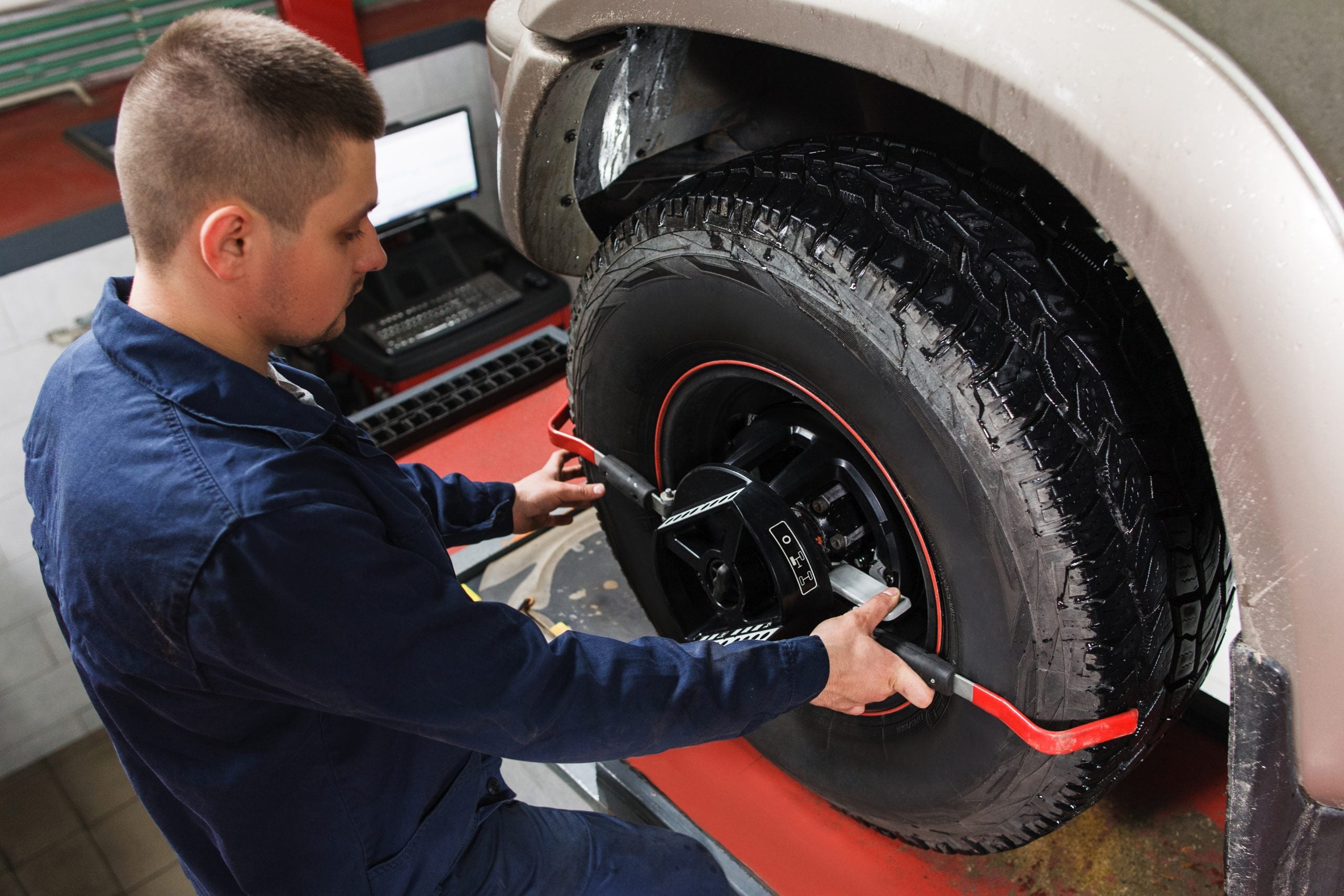
A photo of a service tech completing a tire alignment

5 Signs Your Ford Needs a Wheel Alignment

Over time, the wheels of your car can slowly become misaligned due to impacts with curbs and potholes, improperly inflated tires, worn suspension components, and uneven tires. Once pushed out of position, misaligned wheels hinder the steering and handling while damaging the tires and roughening your ride. It's important to know how to identify crooked wheels as explained in this article. You can have wheel alignment promptly carried out at your local Ford dealership today. Your Car's Vibrating Too Much When your tires or wheels are out of their factory positioning, your drives will become noticeably rougher as the added rolling friction generates extra vibrations and road noise. As a result of all this friction, your gas mileage is also likely to diminish, raising your gas costs. Your Tires Are Wearing Excessively Misalignment is a major cause of uneven tire wear which can prematurely wear out a set of tires, creating a further safety hazard. And when tires become uneven, they exacerbate the misalignment. So if you find yourself needing more frequent rotations to equalize the condition of your tires, have your suspension and alignment checked as well. You're Having Trouble Steering When wheels become seriously misaligned, the steering system is impacted. The wheel will feel less firm in your hands; it might even get pushed into a permanent off-center position. You're likely to lose confidence in the accuracy of your steering. Your Car Pulls to One Side All road vehicles go in the direction their wheels are angled. So if one or two of your wheels are unintentionally pointed slightly to the left or right, your car may veer in that direction. This will make it harder to drive in a straight line and will lessen your overall steering precision. You Can See That Your Tires Are Crooked Eventually, misaligned wheels become noticeable to the naked eye. Your vehicle will clearly look like something's amiss. You can stand in front of your car now and look straight down the side to see if any of your wheels are angled outward awkwardly at the back, front, top, or bottom. Schedule Routine Alignment Checks at Your Ford Dealership As the aforementioned symptoms tend to develop slowly over time, it's not always easy to detect misalignment at first. A safe procedure is to have the angles of your wheels measured twice a year. Our technicians can use computerized alignment machinery to precisely check and correct each wheel. Without perfectly parallel wheels, your safety and driving enjoyment is reduced. Fortunately, it's an easy issue to fix. Visit Pohanka Ford of Salisbury in Salisbury, MD, today to have your wheels measured and realigned to their original factory positioning.

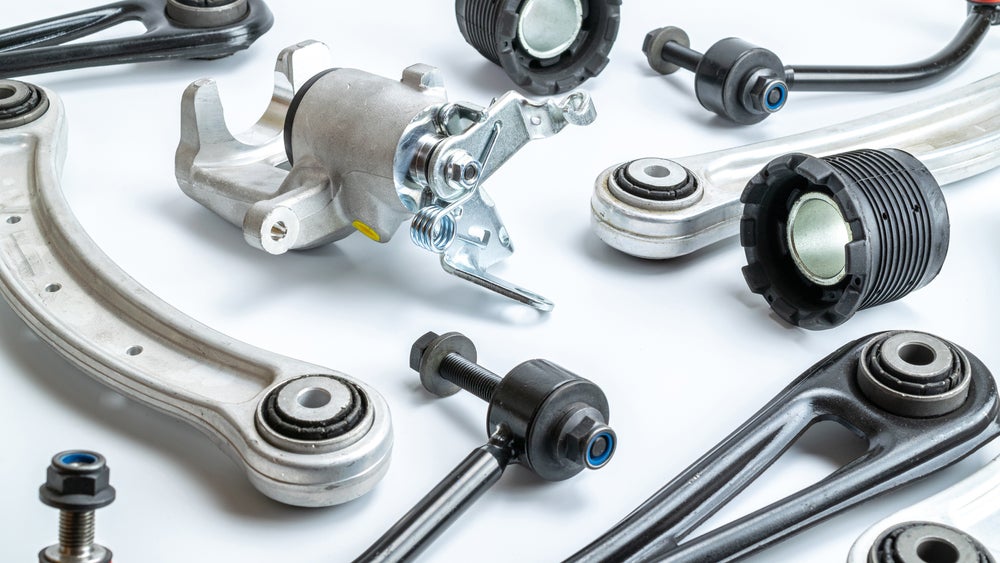
A collection of car parts on a white background

Why OEM Parts Are Crucial for Your Ford's Performance

When the time comes to maintain your Ford vehicle, the choice of replacement parts is critically important. OEM parts will fit your Ford perfectly, and they'll preserve its performance by working exactly as expected. One way to ensure original parts are used is by letting a Ford dealer service your vehicle. Buying and fitting aftermarket parts can harm your driving in various ways. Precision Engineering and Fit Whether they're made by Ford's auto parts division, Motorcraft, or supplied by one of many other trusted brands, your Ford vehicle is designed to accept OEM components. These will be precision-engineered to precise tolerances, whereas cheap aftermarket parts are often reverse-engineered less precisely, roughly fitting as many vehicles as possible. Precision in vehicle parts is essential, as even minor discrepancies can lead to performance issues and potentially expensive damage. Whether it's related to the engine, transmission, or braking system, each part must work harmoniously with the next and fit precisely into place. Poorly fitting parts cause accelerated wear, degraded performance, and sometimes irreversible damage to major components. Durability and Safety Ford parts and those of its suppliers are rigorously tested and subjected to stringent quality control. Cheap aftermarket parts don't typically have a well-funded R&D department behind them, so they're made with poorer materials or in a less nuanced way to maximize profits. A prime example of this is aftermarket brake pads, which are often made from substandard materials that can cause abrupt failure. Many aftermarket parts could compromise safety, including brake, suspension, or steering parts, or passive safety equipment like seatbelts and airbags. An aftermarket ECU (Electronic Control Unit) that isn't fully compatible can also create issues, as it oversees vital functions like airbag deployment, anti-lock braking, electronic stability control, transmission control, and critical engine tasks. Optimum Fuel Efficiency Various aftermarket parts can adversely affect fuel efficiency, including air filters (either through poor filtration or poor fit), exhaust systems, wider tires that increase rolling resistance, suspension lift kits, fuel injectors, fuel pumps, engine tuner chips, body kits, and spoilers. Some of these parts are designed to enhance performance, which may or may not work, but it'll often be at the expense of fuel efficiency. Preserve Your Warranty with a Ford Dealer All new Fords come with a bumper-to-bumper 36,000-mile, three-year warranty, and longer for powertrains, diesel engines, and hybrid/electric unique components. You can't invalidate these warranties merely by installing an aftermarket part, but your claim may be invalidated if that part subsequently creates problems. Avoid this hassle and potentially save money by using your local Ford center for servicing. Contact Pohanka Ford of Salisbury in Salisbury, MD to schedule your next Ford service using OEM components. Image via