
Blog / Salisbury Ford Service

Blog

All Salisbury Ford Service Salisbury Ford Dealer Salisbury MD Pohanka Ford of Salisbury Service
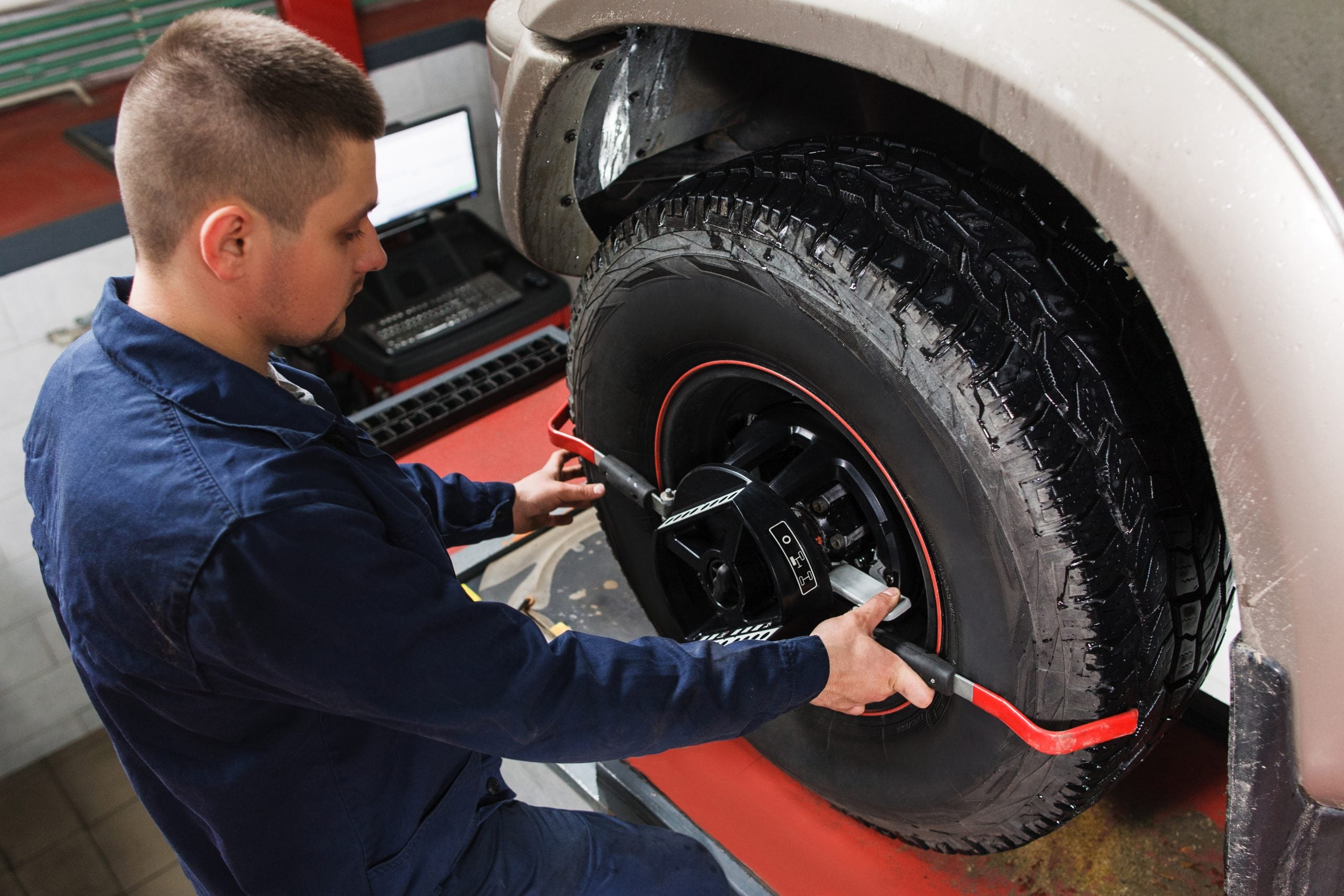
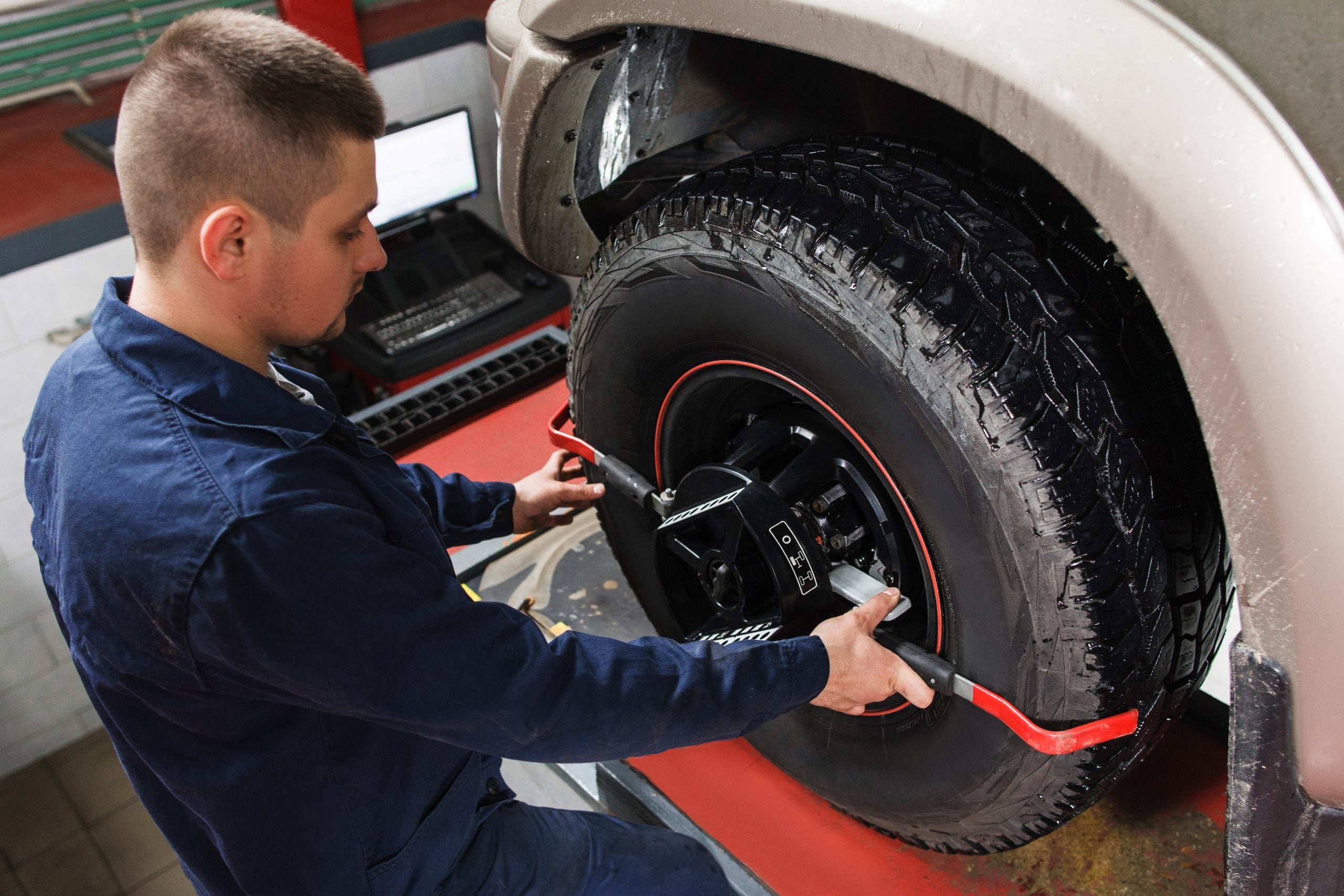
A photo of a service tech completing a tire alignment

5 Signs Your Ford Needs a Wheel Alignment

Over time, the wheels of your car can slowly become misaligned due to impacts with curbs and potholes, improperly inflated tires, worn suspension components, and uneven tires. Once pushed out of position, misaligned wheels hinder the steering and handling while damaging the tires and roughening your ride. It's important to know how to identify crooked wheels as explained in this article. You can have wheel alignment promptly carried out at your local Ford dealership today. more Your Car's Vibrating Too Much When your tires or wheels are out of their factory positioning, your drives will become noticeably rougher as the added rolling friction generates extra vibrations and road noise. As a result of all this friction, your gas mileage is also likely to diminish, raising your gas costs. Your Tires Are Wearing Excessively Misalignment is a major cause of uneven tire wear which can prematurely wear out a set of tires, creating a further safety hazard. And when tires become uneven, they exacerbate the misalignment. So if you find yourself needing more frequent rotations to equalize the condition of your tires, have your suspension and alignment checked as well. You're Having Trouble Steering When wheels become seriously misaligned, the steering system is impacted. The wheel will feel less firm in your hands; it might even get pushed into a permanent off-center position. You're likely to lose confidence in the accuracy of your steering. Your Car Pulls to One Side All road vehicles go in the direction their wheels are angled. So if one or two of your wheels are unintentionally pointed slightly to the left or right, your car may veer in that direction. This will make it harder to drive in a straight line and will lessen your overall steering precision. You Can See That Your Tires Are Crooked Eventually, misaligned wheels become noticeable to the naked eye. Your vehicle will clearly look like something's amiss. You can stand in front of your car now and look straight down the side to see if any of your wheels are angled outward awkwardly at the back, front, top, or bottom. Schedule Routine Alignment Checks at Your Ford Dealership As the aforementioned symptoms tend to develop slowly over time, it's not always easy to detect misalignment at first. A safe procedure is to have the angles of your wheels measured twice a year. Our technicians can use computerized alignment machinery to precisely check and correct each wheel. Without perfectly parallel wheels, your safety and driving enjoyment is reduced. Fortunately, it's an easy issue to fix. Visit Pohanka Ford of Salisbury in Salisbury, MD, today to have your wheels measured and realigned to their original factory positioning.
A photo of a service tech completing a tire alignment

5 Signs Your Ford Needs a Wheel Alignment

Over time, the wheels of your car can slowly become misaligned due to impacts with curbs and potholes, improperly inflated tires, worn suspension components, and uneven tires. Once pushed out of position, misaligned wheels hinder the steering and handling while damaging the tires and roughening your ride. It's important to know how to identify crooked wheels as explained in this article. You can have wheel alignment promptly carried out at your local Ford dealership today. more Your Car's Vibrating Too Much When your tires or wheels are out of their factory positioning, your drives will become noticeably rougher as the added rolling friction generates extra vibrations and road noise. As a result of all this friction, your gas mileage is also likely to diminish, raising your gas costs. Your Tires Are Wearing Excessively Misalignment is a major cause of uneven tire wear which can prematurely wear out a set of tires, creating a further safety hazard. And when tires become uneven, they exacerbate the misalignment. So if you find yourself needing more frequent rotations to equalize the condition of your tires, have your suspension and alignment checked as well. You're Having Trouble Steering When wheels become seriously misaligned, the steering system is impacted. The wheel will feel less firm in your hands; it might even get pushed into a permanent off-center position. You're likely to lose confidence in the accuracy of your steering. Your Car Pulls to One Side All road vehicles go in the direction their wheels are angled. So if one or two of your wheels are unintentionally pointed slightly to the left or right, your car may veer in that direction. This will make it harder to drive in a straight line and will lessen your overall steering precision. You Can See That Your Tires Are Crooked Eventually, misaligned wheels become noticeable to the naked eye. Your vehicle will clearly look like something's amiss. You can stand in front of your car now and look straight down the side to see if any of your wheels are angled outward awkwardly at the back, front, top, or bottom. Schedule Routine Alignment Checks at Your Ford Dealership As the aforementioned symptoms tend to develop slowly over time, it's not always easy to detect misalignment at first. A safe procedure is to have the angles of your wheels measured twice a year. Our technicians can use computerized alignment machinery to precisely check and correct each wheel. Without perfectly parallel wheels, your safety and driving enjoyment is reduced. Fortunately, it's an easy issue to fix. Visit Pohanka Ford of Salisbury in Salisbury, MD, today to have your wheels measured and realigned to their original factory positioning.
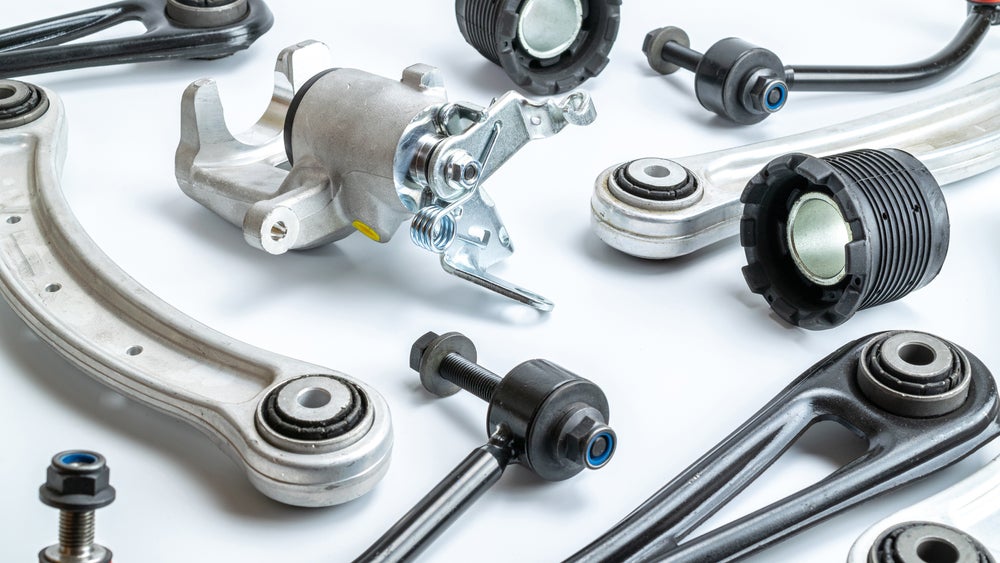
A collection of car parts on a white background

Why OEM Parts Are Crucial for Your Ford's Performance

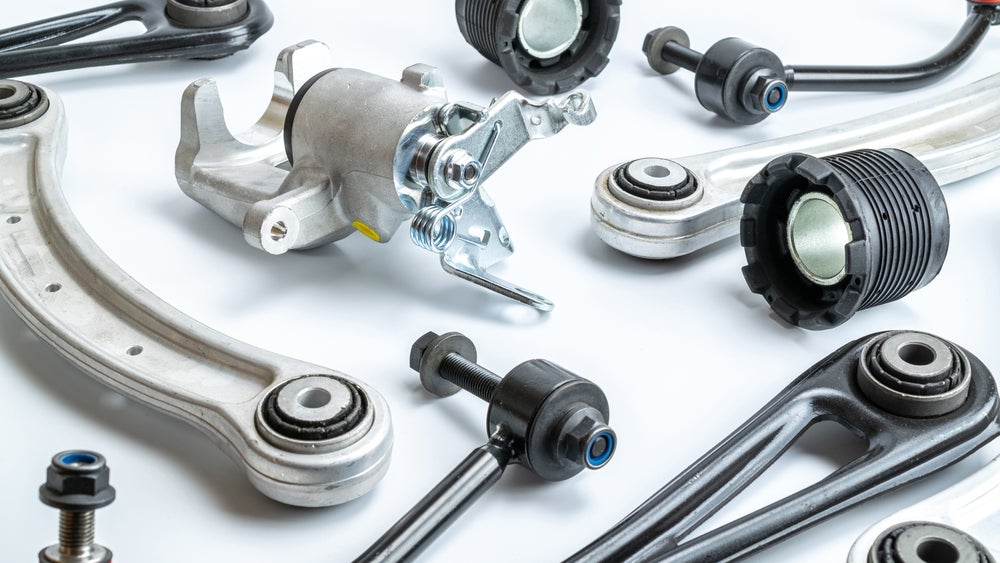
When the time comes to maintain your Ford vehicle, the choice of replacement parts is critically important. OEM parts will fit your Ford perfectly, and they'll preserve its performance by working exactly as expected. One way to ensure original parts are used is by letting a Ford dealer service your vehicle. Buying and fitting aftermarket parts can harm your driving in various ways. more Precision Engineering and Fit Whether they're made by Ford's auto parts division, Motorcraft, or supplied by one of many other trusted brands, your Ford vehicle is designed to accept OEM components. These will be precision-engineered to precise tolerances, whereas cheap aftermarket parts are often reverse-engineered less precisely, roughly fitting as many vehicles as possible. Precision in vehicle parts is essential, as even minor discrepancies can lead to performance issues and potentially expensive damage. Whether it's related to the engine, transmission, or braking system, each part must work harmoniously with the next and fit precisely into place. Poorly fitting parts cause accelerated wear, degraded performance, and sometimes irreversible damage to major components. Durability and Safety Ford parts and those of its suppliers are rigorously tested and subjected to stringent quality control. Cheap aftermarket parts don't typically have a well-funded R&D department behind them, so they're made with poorer materials or in a less nuanced way to maximize profits. A prime example of this is aftermarket brake pads, which are often made from substandard materials that can cause abrupt failure. Many aftermarket parts could compromise safety, including brake, suspension, or steering parts, or passive safety equipment like seatbelts and airbags. An aftermarket ECU (Electronic Control Unit) that isn't fully compatible can also create issues, as it oversees vital functions like airbag deployment, anti-lock braking, electronic stability control, transmission control, and critical engine tasks. Optimum Fuel Efficiency Various aftermarket parts can adversely affect fuel efficiency, including air filters (either through poor filtration or poor fit), exhaust systems, wider tires that increase rolling resistance, suspension lift kits, fuel injectors, fuel pumps, engine tuner chips, body kits, and spoilers. Some of these parts are designed to enhance performance, which may or may not work, but it'll often be at the expense of fuel efficiency. Preserve Your Warranty with a Ford Dealer All new Fords come with a bumper-to-bumper 36,000-mile, three-year warranty, and longer for powertrains, diesel engines, and hybrid/electric unique components. You can't invalidate these warranties merely by installing an aftermarket part, but your claim may be invalidated if that part subsequently creates problems. Avoid this hassle and potentially save money by using your local Ford center for servicing. Contact Pohanka Ford of Salisbury in Salisbury, MD to schedule your next Ford service using OEM components. Image via

A collection of car parts on a white background

Why OEM Parts Are Crucial for Your Ford's Performance

When the time comes to maintain your Ford vehicle, the choice of replacement parts is critically important. OEM parts will fit your Ford perfectly, and they'll preserve its performance by working exactly as expected. One way to ensure original parts are used is by letting a Ford dealer service your vehicle. Buying and fitting aftermarket parts can harm your driving in various ways. more Precision Engineering and Fit Whether they're made by Ford's auto parts division, Motorcraft, or supplied by one of many other trusted brands, your Ford vehicle is designed to accept OEM components. These will be precision-engineered to precise tolerances, whereas cheap aftermarket parts are often reverse-engineered less precisely, roughly fitting as many vehicles as possible. Precision in vehicle parts is essential, as even minor discrepancies can lead to performance issues and potentially expensive damage. Whether it's related to the engine, transmission, or braking system, each part must work harmoniously with the next and fit precisely into place. Poorly fitting parts cause accelerated wear, degraded performance, and sometimes irreversible damage to major components. Durability and Safety Ford parts and those of its suppliers are rigorously tested and subjected to stringent quality control. Cheap aftermarket parts don't typically have a well-funded R&D department behind them, so they're made with poorer materials or in a less nuanced way to maximize profits. A prime example of this is aftermarket brake pads, which are often made from substandard materials that can cause abrupt failure. Many aftermarket parts could compromise safety, including brake, suspension, or steering parts, or passive safety equipment like seatbelts and airbags. An aftermarket ECU (Electronic Control Unit) that isn't fully compatible can also create issues, as it oversees vital functions like airbag deployment, anti-lock braking, electronic stability control, transmission control, and critical engine tasks. Optimum Fuel Efficiency Various aftermarket parts can adversely affect fuel efficiency, including air filters (either through poor filtration or poor fit), exhaust systems, wider tires that increase rolling resistance, suspension lift kits, fuel injectors, fuel pumps, engine tuner chips, body kits, and spoilers. Some of these parts are designed to enhance performance, which may or may not work, but it'll often be at the expense of fuel efficiency. Preserve Your Warranty with a Ford Dealer All new Fords come with a bumper-to-bumper 36,000-mile, three-year warranty, and longer for powertrains, diesel engines, and hybrid/electric unique components. You can't invalidate these warranties merely by installing an aftermarket part, but your claim may be invalidated if that part subsequently creates problems. Avoid this hassle and potentially save money by using your local Ford center for servicing. Contact Pohanka Ford of Salisbury in Salisbury, MD to schedule your next Ford service using OEM components. Image via

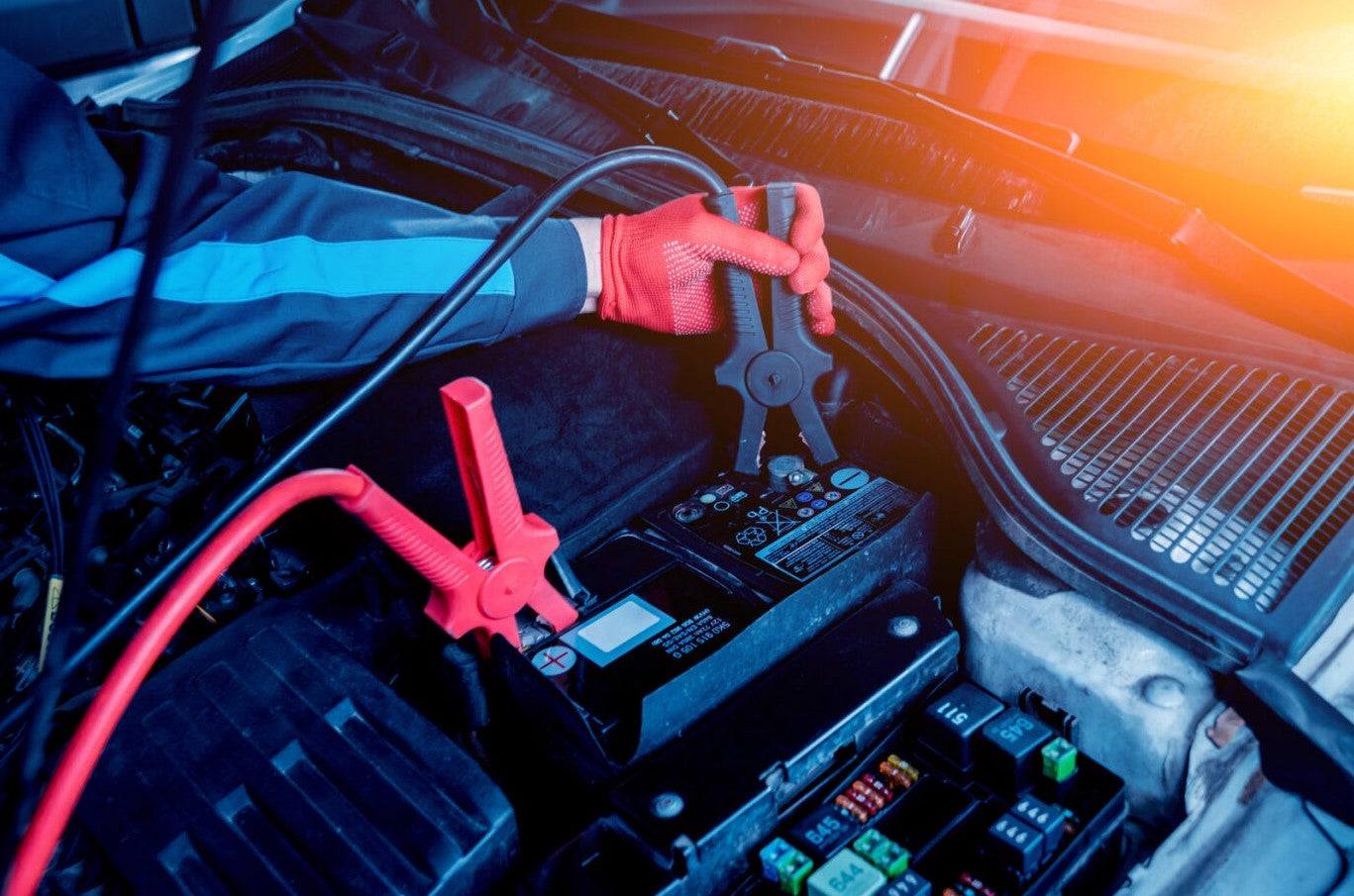
A photo of a car battery hooked up to jumper cables.

3 Signs Your Ford Needs a New Car Battery

The battery is a vital component of your Ford, as it provides the electrical charge that starts your engine. As time passes, a battery will weaken or could become damaged by the failure of other electrical system components. As your Ford dealer, we'd like you to know a few signs that you may need to visit us for a new car battery. more Slow Cranking When you start your engine, the battery sends a strong electrical charge to the starter solenoid. The solenoid then powers the starter, which cranks your engine, and your engine will come to life. If your battery is healthy, this process should take only a few seconds. If you hear the sad, laboring sound of the crank instead of the smooth purr of your Ford engine, your battery could be failing. The most common cause of slow cranking is a weak battery. Cranking the engine requires a specific amount of electricity, and a failing battery may not have enough juice to supply it. As a battery ages, its storage capacity drops, reducing the power level it can provide. We'll test your battery and install a new one if the original fails. Alternator Overcharging The alternator is a mini electrical generator in your engine. It supplies power to all your car's systems when the engine is running and recharges your battery. Recharging is a carefully controlled process to protect the alternator and the battery. The alternator charges a battery at full power for ten minutes, then switches to charging at reduced capacity until the battery is replenished. if your alternator is damaged, it might continue to charge the battery at full power. Charging a battery at full power can damage the copper plates and cause the electrolyte solution to boil and evaporate. If this happens, the battery warning light will illuminate, and you'll smell a hot burning smell. We can replace your alternator to fix this problem. Phantom Drain A phantom drain is caused by a damaged switch or relay that doesn't cut off power to a system when it's supposed to. The two most common sources of this issue are the trunk light and the glove box light. In both cases, the light comes on when you open them and should immediately go out as soon as you close them. Neither of these lights draws a large amount of power, but they can cause a significant drop in your battery's electricity reserves overnight. If your battery worked correctly the previous night and then struggles to supply enough power to start your engine the next day, a phantom drain could be the problem. Our technicians will identify the cause of the problem and repair it. ​​​​​​​​​​​​​​​​​​​If your battery shows signs of failing, contact us right away at Pohanka Ford of Salisbury in Salisbury, MD. Image via

A photo of a car battery hooked up to jumper cables.

3 Signs Your Ford Needs a New Car Battery

The battery is a vital component of your Ford, as it provides the electrical charge that starts your engine. As time passes, a battery will weaken or could become damaged by the failure of other electrical system components. As your Ford dealer, we'd like you to know a few signs that you may need to visit us for a new car battery. more Slow Cranking When you start your engine, the battery sends a strong electrical charge to the starter solenoid. The solenoid then powers the starter, which cranks your engine, and your engine will come to life. If your battery is healthy, this process should take only a few seconds. If you hear the sad, laboring sound of the crank instead of the smooth purr of your Ford engine, your battery could be failing. The most common cause of slow cranking is a weak battery. Cranking the engine requires a specific amount of electricity, and a failing battery may not have enough juice to supply it. As a battery ages, its storage capacity drops, reducing the power level it can provide. We'll test your battery and install a new one if the original fails. Alternator Overcharging The alternator is a mini electrical generator in your engine. It supplies power to all your car's systems when the engine is running and recharges your battery. Recharging is a carefully controlled process to protect the alternator and the battery. The alternator charges a battery at full power for ten minutes, then switches to charging at reduced capacity until the battery is replenished. if your alternator is damaged, it might continue to charge the battery at full power. Charging a battery at full power can damage the copper plates and cause the electrolyte solution to boil and evaporate. If this happens, the battery warning light will illuminate, and you'll smell a hot burning smell. We can replace your alternator to fix this problem. Phantom Drain A phantom drain is caused by a damaged switch or relay that doesn't cut off power to a system when it's supposed to. The two most common sources of this issue are the trunk light and the glove box light. In both cases, the light comes on when you open them and should immediately go out as soon as you close them. Neither of these lights draws a large amount of power, but they can cause a significant drop in your battery's electricity reserves overnight. If your battery worked correctly the previous night and then struggles to supply enough power to start your engine the next day, a phantom drain could be the problem. Our technicians will identify the cause of the problem and repair it. ​​​​​​​​​​​​​​​​​​​If your battery shows signs of failing, contact us right away at Pohanka Ford of Salisbury in Salisbury, MD. Image via

A photo of a mechanic in a blue uniform standing in a repair shop with his arms crossed.

7 Types of Ford Service Offered by Your Ford Dealer

When you bring your car to the Ford dealer, you'll be in great hands. The factory-trained Ford technicians who'll perform your Ford service understand all Ford models better than anybody else. As a result, they can offer you a range of services to keep your car in great condition. more 1. Engine Diagnostic Has your check engine light turned on? That means there's something wrong with your car, but it'll be very hard to tell what the problem is without an engine diagnostic. We can spend a few hours running an engine diagnostic on your car, figure out what the issue is, fix it, and then get your car back to you in excellent condition. 2. Battery Replacement Many people deal with their car batteries dying as the battery gets older. When this happens, you should get a friend to jumpstart your car so you can drive straight to us, or try our Pickup and Delivery Service. We'll replace that old battery swiftly. 3. Headlight Replacement Your headlights will eventually get dim, and they may even burn out completely at some point. We'll regularly check on your headlights, as well as all your other exterior and interior lights, to make sure they never get too dim for you to drive with. We can also replace the bulbs when you need new ones. 4. Belts and Hoses Replacement Your car is packed full of belts and hoses, and they're made from materials that wear down over time. They need to be replaced every so often so your car can continue to run smoothly. We'll replace those parts as needed. 5. Fluid Level Checks and Corrections We can maintain every single fluid in your car, and there are a whole lot of them. Engine oil, transmission fluid, brake fluid, and many more need to have their levels topped off occasionally. Plus, all of these fluids need to be drained and replaced at different intervals as outlined in your owner's manual. If your owner's manual doesn't tell you how frequently you need to change these fluids, then you can ask one of our technicians for advice. 6. Filter Changes Filters in your car are another component that need to be changed out regularly. Types of filters that need to be changed include the air filters and oil filters. We'll replace these components so you never run into issues. 7. General Automotive Repair Is there something wrong with your car? We can fix it. Whether it's your transmission, alternator, cooling system, air conditioning, or another component, our technicians are happy to tackle the issue and get your car back into top condition. Visit Pohanka Ford of Salisbury in Salisbury, MD so we can help you keep your car in peak condition. Call our service department at 443-210-3255. Image via

A photo of a mechanic in a blue uniform standing in a repair shop with his arms crossed.

7 Types of Ford Service Offered by Your Ford Dealer

When you bring your car to the Ford dealer, you'll be in great hands. The factory-trained Ford technicians who'll perform your Ford service understand all Ford models better than anybody else. As a result, they can offer you a range of services to keep your car in great condition. more 1. Engine Diagnostic Has your check engine light turned on? That means there's something wrong with your car, but it'll be very hard to tell what the problem is without an engine diagnostic. We can spend a few hours running an engine diagnostic on your car, figure out what the issue is, fix it, and then get your car back to you in excellent condition. 2. Battery Replacement Many people deal with their car batteries dying as the battery gets older. When this happens, you should get a friend to jumpstart your car so you can drive straight to us, or try our Pickup and Delivery Service. We'll replace that old battery swiftly. 3. Headlight Replacement Your headlights will eventually get dim, and they may even burn out completely at some point. We'll regularly check on your headlights, as well as all your other exterior and interior lights, to make sure they never get too dim for you to drive with. We can also replace the bulbs when you need new ones. 4. Belts and Hoses Replacement Your car is packed full of belts and hoses, and they're made from materials that wear down over time. They need to be replaced every so often so your car can continue to run smoothly. We'll replace those parts as needed. 5. Fluid Level Checks and Corrections We can maintain every single fluid in your car, and there are a whole lot of them. Engine oil, transmission fluid, brake fluid, and many more need to have their levels topped off occasionally. Plus, all of these fluids need to be drained and replaced at different intervals as outlined in your owner's manual. If your owner's manual doesn't tell you how frequently you need to change these fluids, then you can ask one of our technicians for advice. 6. Filter Changes Filters in your car are another component that need to be changed out regularly. Types of filters that need to be changed include the air filters and oil filters. We'll replace these components so you never run into issues. 7. General Automotive Repair Is there something wrong with your car? We can fix it. Whether it's your transmission, alternator, cooling system, air conditioning, or another component, our technicians are happy to tackle the issue and get your car back into top condition. Visit Pohanka Ford of Salisbury in Salisbury, MD so we can help you keep your car in peak condition. Call our service department at 443-210-3255. Image via

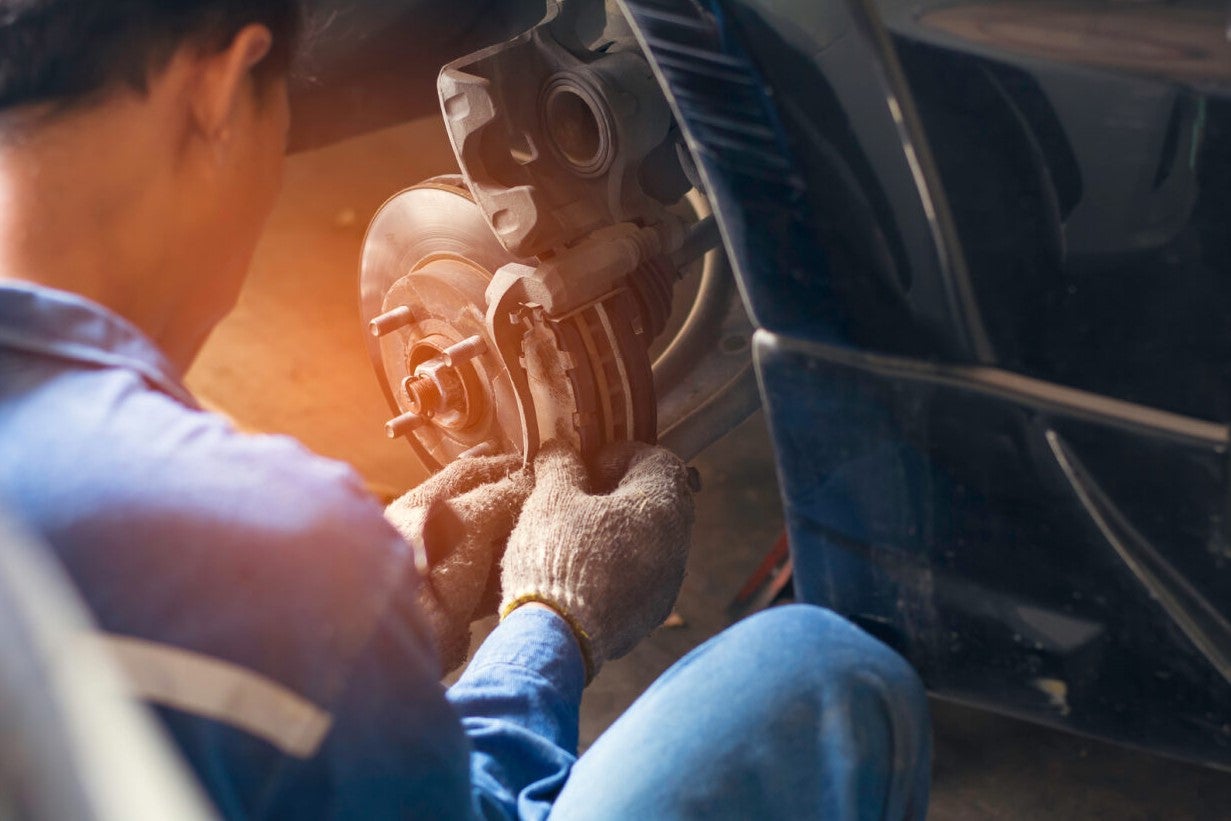
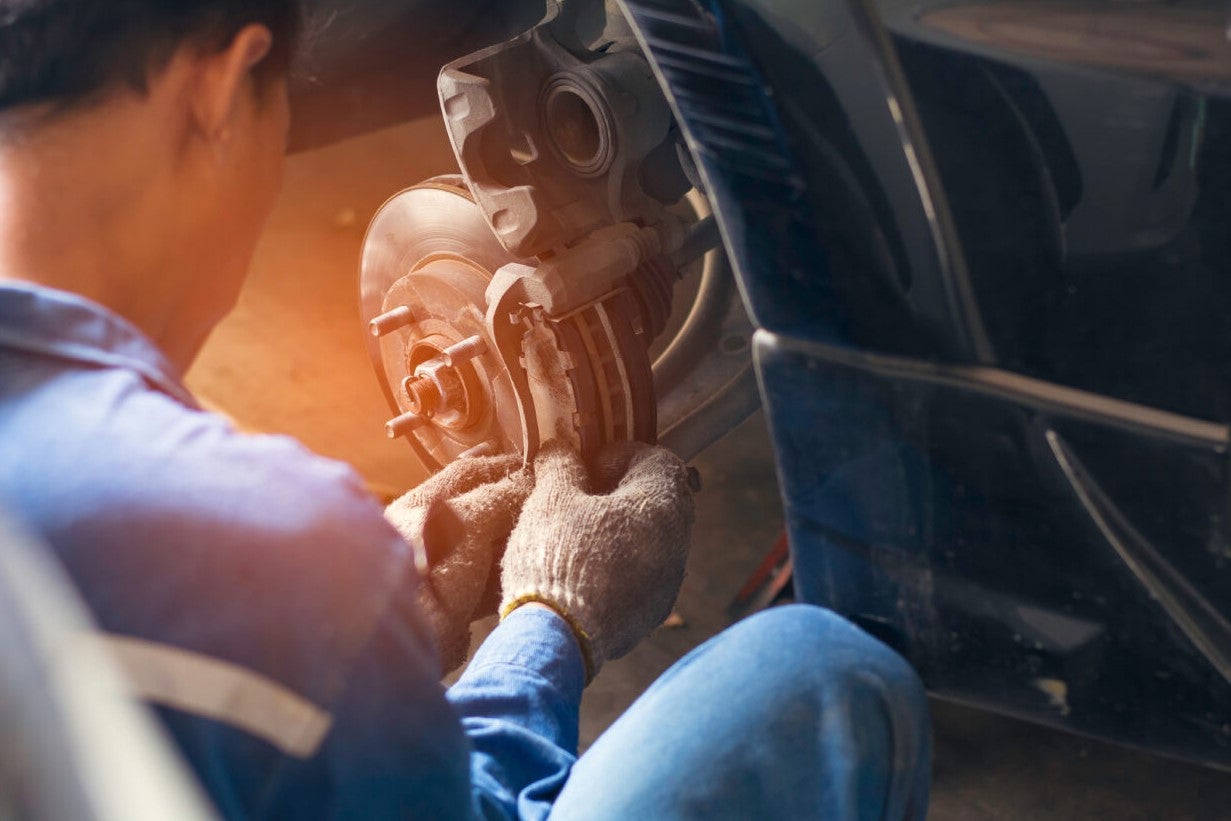
A photo of a mechanic repairing brakes.

3 Signs Your Ford Needs a Brake Repair

Good brakes are essential for safe driving as they give you complete control over your vehicle's speed. Components will inevitably wear out or become damaged over time, and you'll need to visit your friendly Ford dealer for a brake repair. These are a few signs you have a problem with your brakes that needs attention. more Screeching Noises Loud screeching noises from your brakes are signs of trouble, as they mean that your brake pads have worn down. The brake pads are housed in the brake calipers positioned above each of your wheel rotors. When you step on the brake pedal, pressurized brake fluid forces the pins out of the calipers, and this causes them to close on the rotors. The pads generate friction against the wheel rotors, and this friction brings your wheels to a stop. Each pad has a friction material covering that gradually wears down. The pad manufacturers install a metal spike in the material, which becomes visible when the pad needs to be changed. This spike will scratch against the rotor surface as a warning that the pad needs replacement. We can easily solve this issue by replacing any worn pads. Jammed Caliper When you apply the brakes, all your wheels should come to a stop simultaneously. If you find that your car turns toward one side when you brake, you could have a jammed caliper. If one of the calipers fails to engage, its wheel rotor will continue to move until the other three wheels bring your car to a stop. Calipers are exposed to water and mud, and this moisture can build up on them and cause rust. Rust buildup is a gradual process, but a caliper can eventually become too rusted to move. Our technicians can fix this problem by removing and replacing the rusted caliper, and your brakes will work correctly again. Leaking Brake Fluid Brake fluid provides the hydraulic power that allows your braking system to work. Your Ford's braking system is pressurized when you step on the brake pedal, and this pressure is the source of the resistance you feel from the pedal. In time, the heat and pressure in the braking system, combined with normal wear and tear, can cause a leak in the system. A brake fluid leak is generally difficult to spot, but you'll feel it almost immediately as the resistance from the pedal will lessen. As fluid leaks out, the pressure in the system will drop, and your brakes will become slower to respond. We'll trace the leak in the system and repair it, then we'll refill the brake fluid. If your brakes aren't working as well as they should be, contact our service department ASAP at Pohanka Ford of Salisbury in Salisbury, MD. Image via

A photo of a mechanic repairing brakes.

3 Signs Your Ford Needs a Brake Repair

Good brakes are essential for safe driving as they give you complete control over your vehicle's speed. Components will inevitably wear out or become damaged over time, and you'll need to visit your friendly Ford dealer for a brake repair. These are a few signs you have a problem with your brakes that needs attention. more Screeching Noises Loud screeching noises from your brakes are signs of trouble, as they mean that your brake pads have worn down. The brake pads are housed in the brake calipers positioned above each of your wheel rotors. When you step on the brake pedal, pressurized brake fluid forces the pins out of the calipers, and this causes them to close on the rotors. The pads generate friction against the wheel rotors, and this friction brings your wheels to a stop. Each pad has a friction material covering that gradually wears down. The pad manufacturers install a metal spike in the material, which becomes visible when the pad needs to be changed. This spike will scratch against the rotor surface as a warning that the pad needs replacement. We can easily solve this issue by replacing any worn pads. Jammed Caliper When you apply the brakes, all your wheels should come to a stop simultaneously. If you find that your car turns toward one side when you brake, you could have a jammed caliper. If one of the calipers fails to engage, its wheel rotor will continue to move until the other three wheels bring your car to a stop. Calipers are exposed to water and mud, and this moisture can build up on them and cause rust. Rust buildup is a gradual process, but a caliper can eventually become too rusted to move. Our technicians can fix this problem by removing and replacing the rusted caliper, and your brakes will work correctly again. Leaking Brake Fluid Brake fluid provides the hydraulic power that allows your braking system to work. Your Ford's braking system is pressurized when you step on the brake pedal, and this pressure is the source of the resistance you feel from the pedal. In time, the heat and pressure in the braking system, combined with normal wear and tear, can cause a leak in the system. A brake fluid leak is generally difficult to spot, but you'll feel it almost immediately as the resistance from the pedal will lessen. As fluid leaks out, the pressure in the system will drop, and your brakes will become slower to respond. We'll trace the leak in the system and repair it, then we'll refill the brake fluid. If your brakes aren't working as well as they should be, contact our service department ASAP at Pohanka Ford of Salisbury in Salisbury, MD. Image via

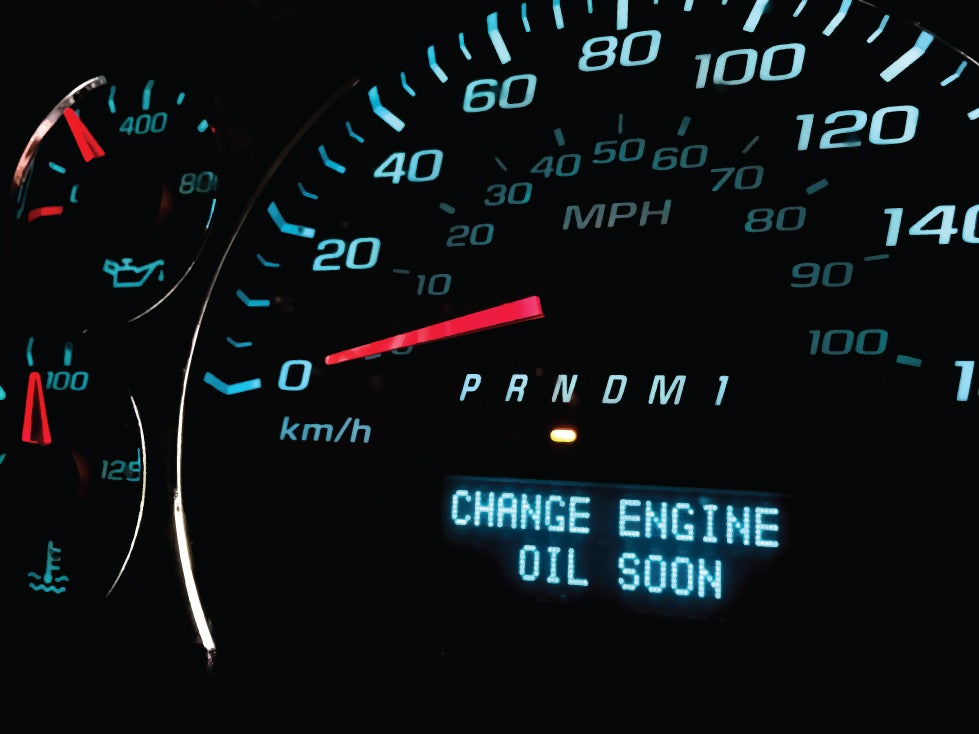
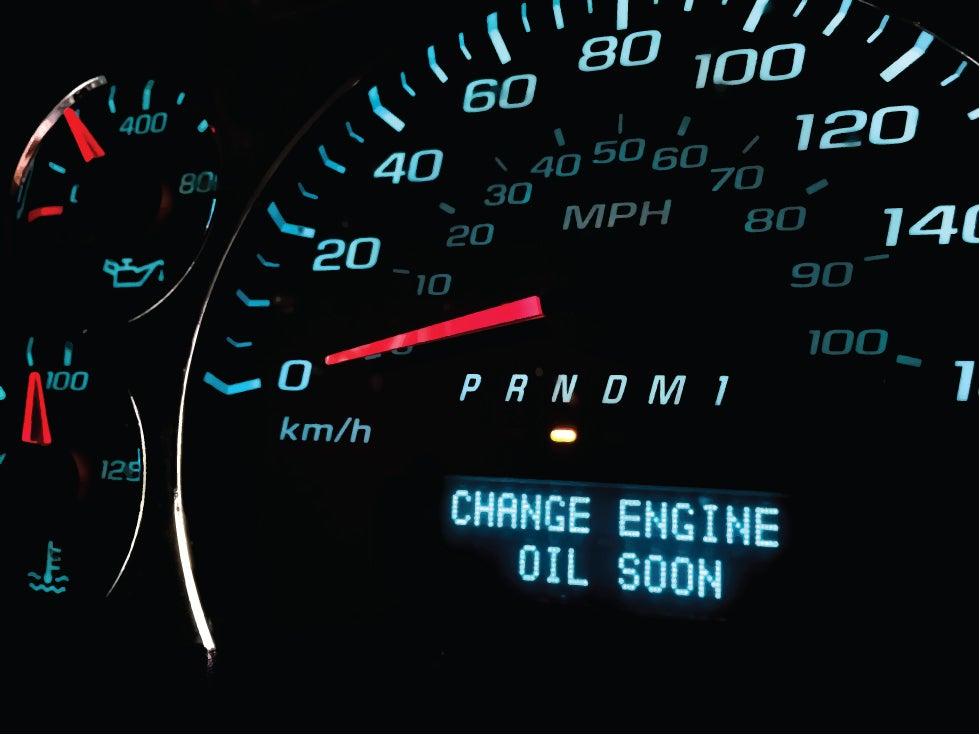
A photo of a car's dashboard with a "change engine oil soon" light illuminated.

Is Your Ford Due for an Oil Change?

Your Ford is known for being reliable and long-lasting. To ensure it stays that way, it's important to adhere to the recommended oil replacement schedule provided by the Ford factory. Below are some indicators to help you determine when it's time to bring your Ford to your Ford dealer for an oil change to ensure that your engine stays lubricated and protected. more Is Your Ford Due for an Oil Change at Your Ford Dealer? Time Since Your Last Oil Replacement Keeping your Ford's engine lubricated is crucial for protecting it from contaminants and maintaining performance. Regular oil replacements will prevent wear and extend the life of your Ford vehicle. The recommended intervals for oil replacements typically fall between 5,000 and 10,000 miles or every six months, depending on factors such as the model, year engine type, driving conditions, and driving habits. Refer to your Ford owner's manual for the oil replacement schedules for your model. Intelligent Oil Life Monitor Notification The Intelligent Oil Life Monitor (IOLM) is a tool for monitoring your Ford's oil needs. When the dashboard display indicates that there is 15% of oil life remaining, it serves as a reminder to schedule an oil replacement promptly and not wait until it reaches 0% to avoid potential engine issues. Once you've had the oil replaced, the technician will reset the IOLM. When Your Oil or Check Engine Light Turns On Having the correct amount of oil in your vehicle is essential for your engine to function smoothly and efficiently. If the oil level is low due to a leak, sensor, or pump issues, the dashboard light signaling that an oil replacement is needed will illuminate. Address this warning immediately. If the check engine light comes on, it indicates a problem that could cause harm to your engine. Old or Contaminated Oil Engine oil has an amber hue. Over time, it can become dirty and contaminated, losing its ability to properly protect and lubricate the engine components. This can result in increased friction, reducing the longevity of your engine. Keep an eye on the color of your oil; if it darkens and appears dirty, ask your Ford technician for an oil replacement. Engine Oil Leaks Oil leaks may occur due to factors such as improper filter installation, loose oil filler caps, improperly sealed drain plugs, or deteriorating gaskets. If you spot any stains around the engine area, be sure to arrange for repairs and an oil replacement. When the level of oil is low, the engine lacks lubrication, which can lead to severe damage. To maintain the health of your Ford's engine, prolong its longevity, and reduce repair costs, adhere to the oil replacement intervals specified in your Ford owner's manual and keep an eye on the Intelligent Oil Life Monitor (IOLM). Visit Pohanka Ford of Salisbury, MD, today for an oil replacement service that will ensure your Ford engine remains in excellent working order. Image via

A photo of a car's dashboard with a "change engine oil soon" light illuminated.

Is Your Ford Due for an Oil Change?

Your Ford is known for being reliable and long-lasting. To ensure it stays that way, it's important to adhere to the recommended oil replacement schedule provided by the Ford factory. Below are some indicators to help you determine when it's time to bring your Ford to your Ford dealer for an oil change to ensure that your engine stays lubricated and protected. more Is Your Ford Due for an Oil Change at Your Ford Dealer? Time Since Your Last Oil Replacement Keeping your Ford's engine lubricated is crucial for protecting it from contaminants and maintaining performance. Regular oil replacements will prevent wear and extend the life of your Ford vehicle. The recommended intervals for oil replacements typically fall between 5,000 and 10,000 miles or every six months, depending on factors such as the model, year engine type, driving conditions, and driving habits. Refer to your Ford owner's manual for the oil replacement schedules for your model. Intelligent Oil Life Monitor Notification The Intelligent Oil Life Monitor (IOLM) is a tool for monitoring your Ford's oil needs. When the dashboard display indicates that there is 15% of oil life remaining, it serves as a reminder to schedule an oil replacement promptly and not wait until it reaches 0% to avoid potential engine issues. Once you've had the oil replaced, the technician will reset the IOLM. When Your Oil or Check Engine Light Turns On Having the correct amount of oil in your vehicle is essential for your engine to function smoothly and efficiently. If the oil level is low due to a leak, sensor, or pump issues, the dashboard light signaling that an oil replacement is needed will illuminate. Address this warning immediately. If the check engine light comes on, it indicates a problem that could cause harm to your engine. Old or Contaminated Oil Engine oil has an amber hue. Over time, it can become dirty and contaminated, losing its ability to properly protect and lubricate the engine components. This can result in increased friction, reducing the longevity of your engine. Keep an eye on the color of your oil; if it darkens and appears dirty, ask your Ford technician for an oil replacement. Engine Oil Leaks Oil leaks may occur due to factors such as improper filter installation, loose oil filler caps, improperly sealed drain plugs, or deteriorating gaskets. If you spot any stains around the engine area, be sure to arrange for repairs and an oil replacement. When the level of oil is low, the engine lacks lubrication, which can lead to severe damage. To maintain the health of your Ford's engine, prolong its longevity, and reduce repair costs, adhere to the oil replacement intervals specified in your Ford owner's manual and keep an eye on the Intelligent Oil Life Monitor (IOLM). Visit Pohanka Ford of Salisbury, MD, today for an oil replacement service that will ensure your Ford engine remains in excellent working order. Image via

Contact Us

Fill out this form below and we'll contact you shortly
*Required Fields