
Blog / Pohanka Ford of Salisbury Service

Blog

All Pohanka Ford of Salisbury Service Salisbury Ford Dealer Salisbury MD Salisbury Ford Service

Motor Oil Evolution: How Often Should You Change Your Oil? | Pohanka Ford Salisbury

From 3,000 Miles to 10,000: The Evolution of Motor Oil and the Modern Oil Change How decades of innovation have changed the way we maintain our vehicles — and what it means for today's drivers. Remember when getting your oil changed every 3,000 miles was practically a rule of the road? For decades, drivers were taught that regular oil changes every 3,000 miles were essential to keeping their engines running smoothly. It was simple advice, easy to remember, and widely accepted throughout the automotive industry. But vehicles have changed. Engines have become more sophisticated, manufacturing tolerances have improved, and perhaps most importantly, the motor oil protecting those engines has undergone a remarkable transformation. Today, some modern vehicles can travel 7,500 to 10,000 miles between oil changes under appropriate driving conditions. So what changed? And does that mean you should wait 10,000 miles before your next oil change? At Pohanka Ford of Salisbury, we believe understanding your vehicle is one of the best ways to protect your investment. Let's take a look at how motor oil has evolved and what today's technology means for your maintenance schedule. The Early Days: When 3,000 Miles Made Sense During much of the 20th century, motor oil was relatively basic compared to today's advanced formulations. Conventional petroleum-based oils were more susceptible to oxidation, thermal breakdown, and contamination. Engines also operated with less precise manufacturing tolerances, and older fuel and combustion systems could introduce more contaminants into the oil. As a result, frequent oil changes were an important part of protecting an engine from premature wear. The 3,000-mile oil change became a familiar maintenance recommendation, particularly during the 1970s, 1980s, and 1990s. For many vehicles of that era, frequent oil changes were a reasonable precaution. But automotive engineering wasn't standing still. The Synthetic Oil Revolution One of the biggest advancements in engine protection came with the development and widespread adoption of synthetic motor oils. Unlike traditional conventional oils, synthetic oils use highly refined or chemically engineered base oils designed to provide more consistent performance across a wider range of operating conditions. These advancements brought several important benefits: Improved temperature stability: Better protection during extreme heat and cold. Greater resistance to oxidation: Slower degradation under demanding operating conditions. Improved engine cleanliness: Advanced additive packages help control sludge and deposits. Enhanced wear protection: Modern formulations help protect critical engine components. Potentially longer service intervals: When approved by the vehicle manufacturer, improved oils can support extended maintenance schedules. Synthetic blends also emerged, combining conventional and synthetic base oils to balance performance and cost. But better oil is only half the story. Modern Engines Changed the Game Today's engines are technological marvels compared to those produced 30 or 40 years ago. Advanced fuel injection systems, sophisticated engine management computers, improved internal materials, and tighter manufacturing tolerances have helped make modern engines more efficient. At the same time, technologies such as turbocharging and direct injection have created new demands on motor oil. Consider Ford's EcoBoost engines. These engines use advanced technologies to deliver impressive performance and efficiency, but they also require motor oils that meet specific engineering standards. Modern motor oil must do far more than simply lubricate moving parts. It must help manage heat, resist deposits, protect timing chains, and perform reliably under demanding operating conditions. In fact, newer industry standards such as API SQ and ILSAC GF-7, introduced in 2025, establish updated performance requirements for engine protection, fuel economy, and deposit control. The lesson? Modern engines require modern oil, and using the correct oil specification matters just as much as changing it on time. Then vs. Now: How Oil Change Intervals Have Evolved Era Common Oil Change Practices 1970s–1980s Frequent changes, often around 3,000 miles 1990s The 3,000-mile recommendation remained widespread 2000s Many manufacturers began recommending longer intervals 2010s Synthetic oils and oil-life monitoring became increasingly common Today Many vehicles allow 7,500–10,000 miles under suitable conditions These are broad historical trends, not universal recommendations. Actual maintenance requirements have always varied by manufacturer, engine, vehicle, and driving conditions. And that brings us to one of the most important advancements in modern vehicle maintenance. Your Ford May Know When It's Time for an Oil Change Many modern Ford vehicles are equipped with an Intelligent Oil-Life Monitor. Rather than relying solely on a fixed mileage interval, this technology estimates remaining oil life using information about how the vehicle is operated. Depending on the vehicle, the system can account for factors such as engine operating conditions, temperatures, and driving patterns. For example, a vehicle primarily driven on long highway trips may experience different oil-life demands than one frequently used for short trips, extended idling, towing, or stop-and-go driving. The result is a more personalized approach to oil maintenance. However, the oil-life monitor is an estimate, not a laboratory test of the oil. Drivers should still follow the time and mileage limits outlined in their owner's manual. Is 10,000 Miles Too Long Between Oil Changes? The answer depends on your vehicle and how you drive it. For certain modern Ford vehicles, 10,000-mile oil change intervals may be appropriate under normal operating conditions, provided the manufacturer's requirements are followed. But not every vehicle should go that long. Several driving conditions may require more frequent maintenance: Frequent short trips where the engine doesn't fully warm up Heavy towing or hauling Extended idling Dusty or demanding driving environments Repeated stop-and-go driving Extreme operating temperatures Here on Maryland's Eastern Shore, driving habits can vary considerably. Some drivers spend most of their time commuting along Route 50 or Route 13. Others use their trucks for commercial work, construction, farming, or towing boats and trailers. Those vehicles may have very different maintenance needs, even if they're the same model and model year. That's why following a maintenance schedule tailored to your vehicle and driving habits is more important than relying on a universal mileage rule. Why Regular Oil Changes Still Matter Even with today's advanced technology, motor oil doesn't last forever. Over time, oil can become contaminated, additives can become depleted, and its ability to protect critical engine components can decline. Neglecting oil maintenance can contribute to: Increased engine wear Sludge and deposit buildup Reduced efficiency Damage to expensive engine components Potentially shortened engine life An oil change is also an opportunity to look beyond the engine. Routine service visits can help identify tire wear, fluid leaks, brake concerns, and other maintenance needs before they become larger problems. The goal isn't simply to change your oil. It's to help protect the long-term reliability and value of your vehicle. Trust Your Vehicle to the Team at Pohanka Ford of Salisbury Technology has changed the automotive industry, but one thing remains constant: preventive maintenance is one of the smartest investments you can make in your vehicle. At Pohanka Ford of Salisbury, our service team understands the engineering behind today's Ford vehicles and the importance of using the correct oil, filters, and manufacturer-recommended maintenance procedures. Whether you drive an F-150, Super Duty, Explorer, Bronco, Mustang, or another vehicle, we're here to help you understand its maintenance needs and keep it performing at its best. The days of a one-size-fits-all 3,000-mile oil change rule may be behind us, but the importance of proper vehicle maintenance hasn't changed. Better oil. Smarter engines. More advanced technology. The same commitment to protecting your investment. Ready for Your Next Oil Change? Visit the service team at Pohanka Ford of Salisbury and let us help you determine the right maintenance schedule for your vehicle. Pohanka Ford of Salisbury — Driving Confidence, One Mile at a Time. Maintenance intervals vary by vehicle, model year, engine, and operating conditions. Always consult your Ford owner's manual and follow the manufacturer's recommended maintenance schedule.

A photo of papers, a toy car, calculator, and coins

3 Benefits of Ford's Extended Maintenance Plans

When you buy a new Ford, it's protected by a comprehensive warranty for three years or 36,000 miles. This protection can be extended, however, by choosing maintenance coverage through an extended service plan. As your Ford dealership, we want to tell you some of the benefits of choosing one of these maintenance plans. Four Available Options You can choose the level of coverage, duration, and deductible you want based on your needs. Plan durations extend up to ten years or 175,000 miles, and you can choose a $0, $50, $100, $200, or disappearing deductible. Let's look closer at what these plans protect. PowertrainCARE This is the basic plan, and it protects components in your Ford's most essential systems. A total of 29 components in the engine, transmission, and FWD or RWD systems. BaseCARE This plan includes everything in the plan above and extends coverage to an additional 55 components in the steering, braking system, AC and heating, electrical system, and front suspension. ExtraCARE An additional 27 components are protected under this plan, including components in the high-tech systems. PremiumCARE As the most inclusive plan, PremiumCARE protects more than 1,000 components, including components in the rear suspension, emissions system, and audio and safety systems. Backed By Ford All four plans are provided by and 100% backed by the Ford Motor Company. If you need a covered component repaired, the repair will be performed at any Ford dealer in the US, Canada, or Mexico and the only payment required is your chosen deductible. Any repairs will be performed by Ford-trained technicians using only Ford-approved replacement parts. In addition, if you sell your Ford, any unexpired portion of your extended service plan is transferred to the new buyer. Additional Services All four extended service plans include 24-hour roadside assistance and rental service benefits. Roadside assistance is available 24/7/365 and can be accessed through a toll-free number. If you have any problems on the road, expert technicians will be sent to help you. They can provide numerous services, including jump-starting, lockout assistance, and fuel delivery. If your Ford needs a tow due to a problem with a covered component, you'll receive up to $100 toward towing costs. If your Ford requires repair and you're far from home, you'll receive up to $1,000 over five days to pay for food, lodging, and travel costs. You can also receive up to $60 per day towards vehicle rental costs while an issue is being repaired. If you'd like to know more about these extended plans or choose the plan that's right for you, contact us today at Pohanka Ford of Salisbury in Salisbury, MD. Image via

A photo of a mechanic completing a vehicle inspection

Importance of Regular Maintenance for Your Ford's Longevity

Your Ford is an investment you want to protect and enjoy for as long as possible. Worn components and dirty fluids are just two issues that can lead to long-term damage, reducing performance and your Ford's life. As your Ford dealer, we want to give you examples of the Ford maintenance we provide to prevent these issues. From Your Ford Dealer: Examples of Ford Maintenance That Increase Vehicle Life Regular Oil Changes Oil is the lifeblood of your engine. It reduces friction damage to numerous engine components by enabling them to glide rather than grind against each other. Fast-moving oil cools hot components, allowing them to work more effectively. In addition, oil additives prevent rust and breakdown potential engine blockages that can lead to damage. Oil should be changed every 5,000 to 15,000 miles, depending on whether you use regular or synthetic oil. Both types of oil gradually accumulate dirt and other debris during their movement through the engine, making them slower and less effective. This debris can block the oil filter, reducing oil flow and increasing wear and tear on components. Changing your oil and oil filter when they're due is quick and increases engine life. Engine Air Filter Replacement The engine air filter traps dust, dirt, and other debris, allowing only clean air into the engine. Combustion requires enormous amounts of air for the fuel to burn correctly in the cylinders, and the most efficient air-to-fuel ratio is 14:1, air to fuel. The air filter will eventually become blocked by dirt, restricting airflow and causing your engine to become fuel-rich. A fuel-rich engine wastes fuel, as most fuel drawn into the cylinders for combustion won't burn. The unburnt fuel is dumped into the exhaust and eventually pushed out the tailpipe. A high fuel concentration increases carbon buildup in the engine, weakening the spark plugs and damaging the cylinders and pistons. Replacing the filter on time prevents these problems. Cooling System Service The cooling system keeps your engine temperature under control. Combustion and the movement of countless components generate large amounts of heat. Excessive heat can damage seals and gaskets, causing leaks and potentially mixing engine fluids like coolant and oil that can cause major engine damage. During this service, we test your coolant and replace it if necessary. The coolant absorbs engine heat and transports it to the radiator for removal. Older coolant is less effective at removing heat, causing your engine temperature to rise. We check your radiator for blockages, damage, or rust, ensure the hoses and other cooling system components are in good condition, and replace them if they're worn. These are just some maintenance tasks we provide to keep your Ford in great condition for years. Book your maintenance today at Pohanka Ford of Salisbury in Salisbury, MD. Image via

Rows of tires at a tire store.

Needs New Tires? Visit Your Ford Dealership

Good tires with a healthy tread level make driving safer. They provide traction on the road surface, making it easier to drive, corner, and stop. Worn or damaged tires, on the other hand, increase braking distance and could skid in wet conditions or blowout. As your Ford dealer, we want to tell you a few signs you will need to visit us for new tires. Underinflated Tires Your Ford's designers specify the correct tire pressure for your tires. Vehicle weight, drivetrain, and performance requirements all help determine this pressure. Over time, tire pressure can change as the pressure inside a tire tries to equalize with the external pressure. This can cause a tire to lose 1 to 2 PSI of pressure each month. Underinflated tires will droop, exposing parts of the softer, more vulnerable sidewalls to friction damage from the surface. Low tire pressure can always be easily seen, as the outer edges of the tire tread will show increased wear. The lack of pressure will reduce your braking speed, and the tire is more likely to develop leaks. We'll correct your tire pressure and check your tread to ensure it's safe to drive on. Lincoln Penny Test A tire that is safe to drive on must have a minimum tread depth of 2/32". You can test the depth with a tread depth gauge. These gauges are readily available and inexpensive and will accurately tell you if your tread is worn and you need to replace that tire. You can also test the tread depth using a Lincoln penny. Turn the penny upside down and insert it into the deepest part of the tread, then look at Lincoln's head. If most of Lincoln's face is obscured, your tire tread is healthy. If you can see most of Lincoln's face below the hairline, the tire is worn but still usable if it's not otherwise damaged. Finally, if you can see the top of Lincoln's head, your tread is dangerously low and needs immediate replacement. We can test your tires for you and replace worn tires for you. Vibrations When Driving If you feel a strange vibration sensation when driving, you likely have a tire problem. The vibrations are due to poor weight distribution in the tire. This issue could be caused by wheel balance or alignment issues or the tire's internal structure breaking down. Our technicians can attach your tires to our wheel balancing machine to identify and repair balance issues by adding weights. Wheel alignment issues can also be fixed by our computerized wheel alignment machine. We can't repair interior tire damage but will replace the affected tire. If you have a tire problem, contact us today at Pohanka Ford of Salisbury in Salisbury, MD. Image via

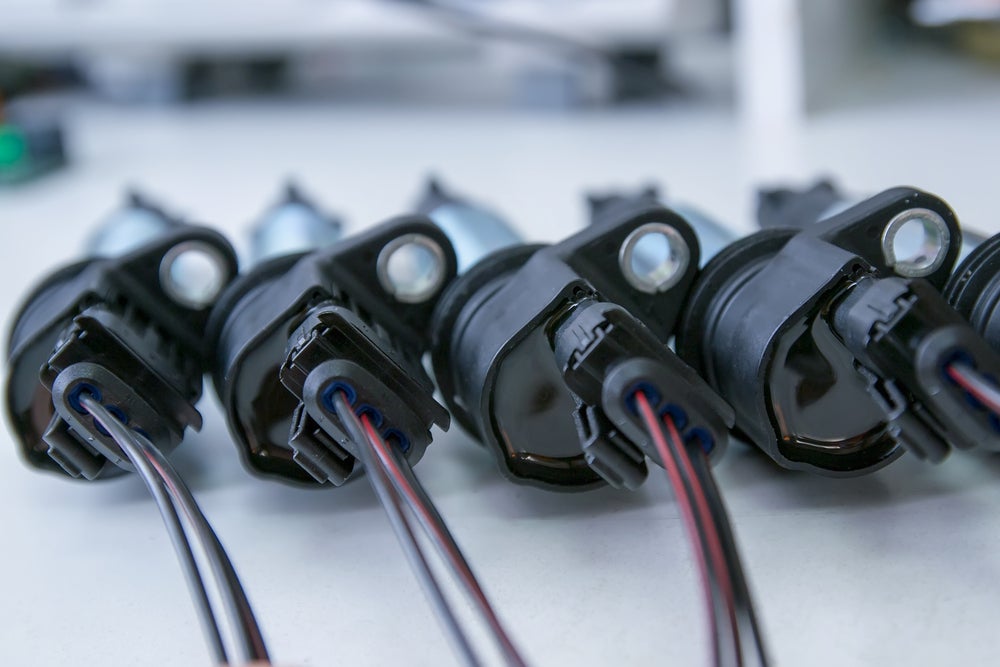
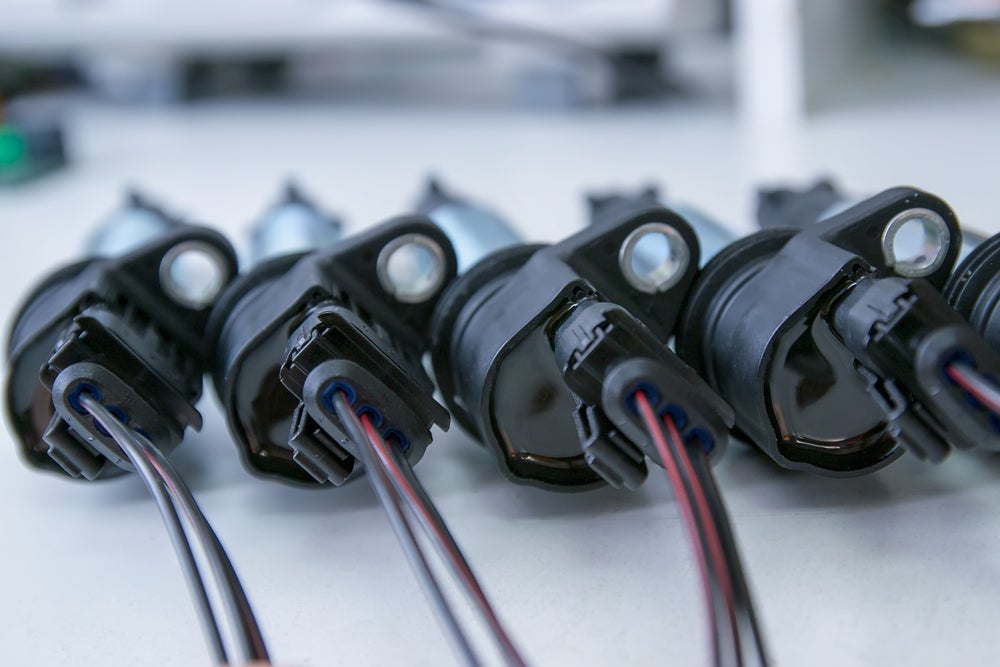
A row of ignition coils sitting on a flat surface

5 Signs of a Faulty Ignition Coil

A vehicle's ignition coil is responsible for transferring battery power to the spark plugs in order to start the engine. When this component is damaged or worn down, there are a variety of things that can go wrong. Your local Ford dealer can diagnose and repair or replace this part if necessary. Here are some signs to look for that may indicate the need for service. Engine Misfires This coil is responsible for igniting the mixture of fuel and air inside your engine's cylinder. If it doesn't work properly, the mixture won't ignite properly to provide the right amount of power for your vehicle. For example, if too much fuel is added to the chamber before the spark is delivered to the engine, it may create loud noises that sound like banging or clanging under the hood, or the engine may even misfire or backfire. Idling or Stalling When the fuel mixture in the engine doesn't ignite properly, your engine doesn't have the right amount of power to propel the vehicle forward. Even if the car still starts and moves, it may feel slower or delayed as you press down on the gas pedal. The engine may even vibrate or stall when you come to a stop. Difficulty Starting the Engine If your ignition system has only one coil, any damage may prevent it from starting your engine at all. Those with multiple coils may still have difficulty starting, with jerky or sputtering motions common if the right amount of power isn't being transferred from the battery to the fuel system. Frequent Trips to the Pump Proper fuel ignition is important for maintaining efficiency. If the coil is not igniting this mixture correctly, your vehicle is likely to waste fuel. If you're noticing more frequent trips to the gas station without additional miles traveled in your vehicle, a faulty coil may be to blame. Check Engine Light Your vehicle's check engine light is designed to illuminate when the engine is not running properly or efficiently, like when the fuel mixture is not igniting properly. This light can also indicate other issues with your vehicle, like a loose fuel cap or faulty catalytic converter, so bring your vehicle in for service to determine the exact cause. If you notice any of these issues, whether it's in your sporty Mustang or rugged F-150, bring your vehicle to Pohanka Ford of Salisbury, MD for service. Our dealership offers a wide range of repair and maintenance services, including diagnostics and replacement parts. Our trained team can quickly determine the cause of the above issues and get you back on the road as quickly as possible. Image via

Contact Us

Fill out this form below and we'll contact you shortly
*Required Fields